
Minimum Coverage SR-22 Cost — Washington
Free to compare
What Minimum Coverage SR-22 Actually Costs in Washington
You need SR-22 filing to reinstate your Washington license, and you want the cheapest coverage that satisfies the Department of Licensing requirement. Minimum liability coverage in Washington is 25/50/10: $25,000 bodily injury per person, $50,000 bodily injury per accident, $10,000 property damage. That baseline tier with SR-22 filing runs $85–$140/month for most suspended-license drivers, depending on your violation history, county, and carrier.
The confusion is not about whether minimum liability satisfies SR-22 — it does. The confusion is about whether minimum liability is actually the cheapest path when you factor in what Washington requires beyond coverage. If your suspension involves DUI or physical control, you are applying for an Ignition Interlock License, not a standard reinstatement. That IIL requires an ignition interlock device installed in your vehicle, and the device costs $75–$125/month on top of your premium. Choosing minimum liability to save $20/month on coverage while paying $100/month for the IID misses the larger cost structure.
“Choosing minimum liability to save $20/month while paying $100/month for the ignition interlock device misses the larger cost structure.”

Find a Washington Insurer That Will Cover You Now
Get My Washington Suspended License Insurance Quote$100/mo
WA IIL Ignition Interlock Device Cost
Washington requires IIL applicants to install a DOL-approved ignition interlock device. Installation, monitoring, and monthly calibration fees typically total $75–$125/month depending on the provider. This cost is separate from your insurance premium and cannot be waived.
RCW 46.20.385 (Ignition Interlock License requirements)
SR-22 Filing Does Not Change Your Coverage Requirement
SR-22 is not a type of insurance. It is a certificate your carrier files electronically with the Washington Department of Licensing to prove you are maintaining continuous liability coverage. The filing itself costs nothing — carriers typically charge a $25–$50 one-time processing fee to submit the certificate, not a recurring monthly charge. The elevated premium you pay is not because of the filing; it is because your driving record moved you into a higher-risk rating tier.
Washington does not require anything beyond minimum liability 25/50/10 to satisfy the SR-22 condition. You do not need collision, comprehensive, uninsured motorist, or any other optional coverage unless your lender requires it. The SR-22 filing requirement and the coverage requirement are separate. Choosing minimum liability meets the SR-22 obligation and satisfies DOL's reinstatement condition.
The problem is not legal adequacy — minimum liability is legally sufficient. The problem is that minimum liability 25/50/10 exposes you to out-of-pocket liability if you cause an accident. $25,000 per person injured does not go far when medical bills from a serious injury can exceed $100,000. Collision damage to a newer vehicle can exceed $10,000 property damage coverage in a single incident. Choosing minimum coverage to save $20–$30/month makes sense only if you are certain you can absorb five-figure liability exposure without financial catastrophe.
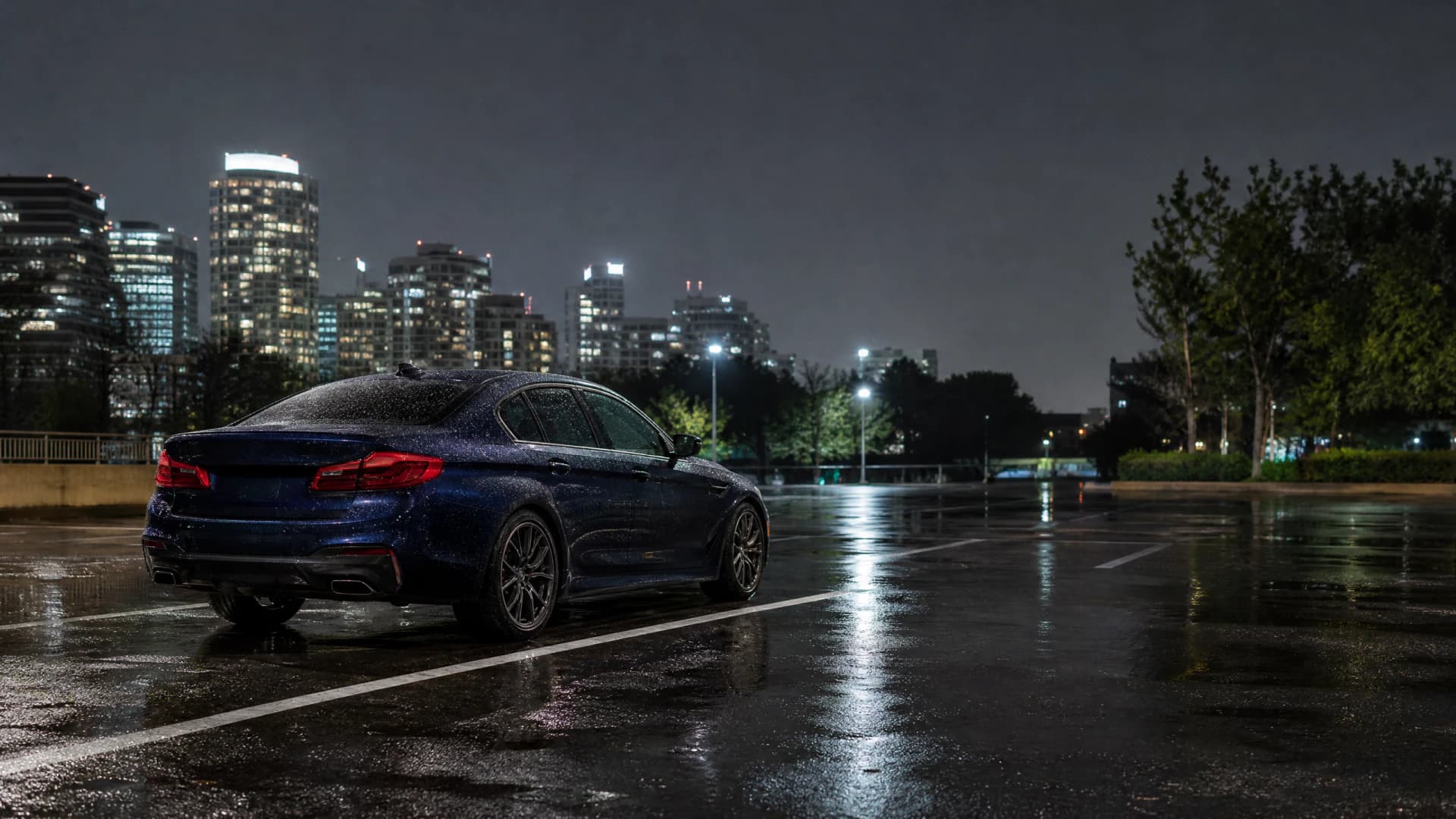
The blocker is not coverage adequacy — Washington accepts minimum 25/50/10 for SR-22. The blocker is whether you can afford the total monthly cost when IIL ignition interlock adds $75–$125/mo on top of your premium.





Non-Owner SR-22 for Drivers Without a Vehicle
If you do not own a vehicle and need SR-22 filing to satisfy DOL reinstatement requirements, non-owner SR-22 coverage is the correct product. Non-owner policies provide liability coverage when you drive someone else's vehicle and cost significantly less than standard policies because there is no vehicle to insure for collision or comprehensive damage. Non-owner SR-22 in Washington runs $35–$70/month for most suspended-license drivers.
Non-owner SR-22 satisfies the state's continuous coverage and SR-22 filing requirements. It does not cover a vehicle you own, lease, or register in your name — if you acquire a vehicle during your SR-22 period, you must switch to a standard policy immediately. Non-owner coverage is secondary: if the vehicle owner's policy covers the accident, that policy pays first, and your non-owner policy covers only the gap if the owner's limits are exceeded.
If your suspension involves DUI and you are applying for an IIL, non-owner SR-22 does not eliminate the ignition interlock device requirement. Washington requires the IID installed in any vehicle you operate, whether you own it or not. If you do not own a vehicle and do not plan to drive during the IIL period, you can maintain non-owner SR-22 to satisfy the filing requirement without installing a device — but you cannot legally drive any vehicle until you either complete the IIL period or install an approved IID in the vehicle you will operate.
3 years
Washington SR-22 Filing Period
Washington requires SR-22 filing maintained continuously for 3 years from the date of reinstatement for most DUI, uninsured driving, and financial responsibility suspensions. The filing period clock starts when your license is reinstated, not when you first obtain coverage. If your policy lapses or cancels during the 3-year period, your carrier notifies DOL electronically, and your license is re-suspended immediately.
RCW 46.29 (Financial Responsibility)

When Minimum Coverage Makes Sense
Minimum liability 25/50/10 with SR-22 makes sense if you drive an older vehicle worth less than $5,000, have no significant assets to protect from a liability judgment, and can absorb a few hundred dollars in out-of-pocket property damage if you cause a minor accident. It also makes sense if you are only maintaining coverage to satisfy DOL's filing requirement and do not plan to drive regularly — for example, if you take the bus to work and only drive occasionally for errands.
Minimum coverage does not make sense if you drive daily in high-traffic areas, own a home or other assets a plaintiff could pursue in a liability judgment, or cannot afford to replace your vehicle out-of-pocket if it is totaled in an at-fault accident. Saving $20–$30/month on premium is not worth the financial exposure if you cause an accident that exceeds your $25,000 per-person or $10,000 property damage limits. Plaintiffs in serious injury accidents routinely pursue judgments that exceed minimum liability limits, and Washington allows wage garnishment to satisfy those judgments.
Compare Carriers Before You Commit
Washington suspended-license rates vary significantly by carrier. Dairyland, Bristol West, and The General specialize in non-standard auto and may offer lower rates than standard-tier carriers for drivers with DUI or uninsured driving suspensions. Progressive and Geico write both standard and non-standard tiers and can sometimes offer competitive rates if your violation is less severe. State Farm writes SR-22 in Washington but does not specialize in high-risk drivers, so their rates for DUI suspensions are often higher than non-standard specialists.
Get quotes from at least three carriers before choosing minimum liability. The rate difference between carriers can exceed $40/month for the same coverage, and that gap compounds over your 3-year SR-22 filing period. Do not assume the carrier you used before suspension will offer the best rate now — suspended-license underwriting is a different market, and carriers that were expensive when you had a clean record may be cheaper now that you need SR-22 filing. Compare monthly premium, SR-22 filing fee, and payment plan options before you commit.
What Suspended Drivers Actually Pay in Washington
DUI and physical control suspensions requiring IIL place you in the non-standard tier. Carriers writing this tier in Washington include Dairyland, Bristol West, The General, Progressive, and Geico. Minimum liability 25/50/10 with SR-22 filing runs $110–$160/month in King and Pierce counties, $85–$130/month in Spokane and Snohomish counties, and $75–$120/month in Yakima and Thurston counties. Add the ignition interlock device cost on top: total monthly outlay is $185–$285/month depending on county and carrier.
Uninsured driving suspensions and insurance lapse suspensions typically cost $90–$140/month for minimum liability with SR-22 in urban counties, $70–$110/month in rural counties. These suspensions do not require IIL, so you avoid the device cost. Points-based suspensions cost slightly less — $80–$130/month urban, $65–$100/month rural — because they do not always require SR-22 filing. If your suspension was triggered by unpaid tickets or failure to appear, SR-22 is typically not required at all, and you pay standard suspended-license rates without the filing.
Get Your Free Quote
Get My Washington Suspended License Insurance QuoteFrequently Asked Questions
Does SR-22 filing cost extra every month in Washington?
SR-22 filing itself does not cost extra monthly. Carriers charge a one-time $25–$50 processing fee to submit the certificate to Washington DOL. Your elevated monthly premium is not because of the filing — it is because your violation moved you into a higher-risk rating tier.
Can I buy SR-22 without owning a car in Washington?
Yes. Non-owner SR-22 coverage provides liability insurance when you drive someone else's vehicle and satisfies Washington's SR-22 filing requirement. Non-owner policies cost $35–$70/month, significantly less than standard policies, because there is no vehicle to insure for collision or comprehensive damage.
What happens if my SR-22 policy lapses in Washington?
If your SR-22 policy lapses or cancels, your carrier notifies Washington DOL electronically within 24 hours, and your license is re-suspended immediately. You must obtain new coverage, file a new SR-22, pay the $75 reinstatement fee, and restart your 3-year filing period from the new reinstatement date.
Do I need collision coverage for SR-22 in Washington?
No. Washington only requires minimum liability coverage 25/50/10 to satisfy SR-22 filing. Collision and comprehensive are optional unless your lender requires them. Choosing liability-only coverage is the cheapest path that meets DOL reinstatement requirements.
How long does SR-22 last in Washington after DUI?
Washington requires SR-22 filing maintained continuously for 3 years from your reinstatement date for DUI suspensions. The clock starts when your license is reinstated, not when you first obtain coverage. If your policy lapses during the 3-year period, the filing period restarts from your next reinstatement date.