
Cheapest Minimum Coverage SR-22 — Washington
Free to compare
Non-Owner SR-22 Exists for Suspended Washington Drivers Without Vehicles
Your Washington license is suspended and you don't own a car. The Department of Licensing told you SR-22 filing is required for reinstatement or for Ignition Interlock License eligibility, and now you're stuck wondering how to insure a vehicle you don't have. Non-owner SR-22 policies solve this — they meet the state's proof-of-insurance requirement without insuring a specific vehicle.
This article clarifies which carriers write non-owner SR-22 in Washington, what minimum coverage actually costs when you're shopping the cheapest compliant options, and how the Ignition Interlock License program changes the insurance timeline for DUI suspensions. If you're navigating reinstatement after a suspension for DUI, driving while license suspended, or uninsured operation, the path starts with understanding what you're required to file and when.
“Washington's electronic insurance verification system triggers automatic re-suspension within 48 hours of any SR-22 lapse.”

Find a Washington Insurer That Will Cover You Now
Get My Washington Suspended License Insurance Quote$25–$45/mo
WA Non-Owner SR-22 Premium
Non-owner policies covering Washington's 25/50/10 state minimums typically cost $25–$45 per month for suspended-license drivers with clean records prior to suspension. DUI or reckless driving convictions push the range to $50–$85/mo. Estimates based on available industry data; individual rates vary by violation history and county.
Carrier rate filings, Washington DOL insurance verification system
Washington's 25/50/10 Minimums Are the Floor for SR-22 Filing
Washington requires minimum liability coverage of $25,000 bodily injury per person, $50,000 bodily injury per accident, and $10,000 property damage (RCW 46.29.090). When the Department of Licensing orders SR-22 filing, the policy must meet or exceed these minimums. You cannot file SR-22 with a lower coverage amount — the state will reject it.
Non-owner policies carry the same liability limits as standard auto policies, but they cover you when driving a vehicle you don't own. If you borrow a car or rent a vehicle, the non-owner policy provides secondary liability coverage after the vehicle owner's policy. The SR-22 certificate attached to the policy proves to DOL that you're maintaining continuous coverage for the required filing period.
Most Washington SR-22 filing periods last 3 years from the date DOL receives the certificate, not from your conviction date or suspension date. If your carrier cancels the policy or you let it lapse, the carrier notifies DOL electronically within 48 hours and your license is re-suspended immediately. The 3-year clock resets when you file a new SR-22, so lapses extend your total compliance period.
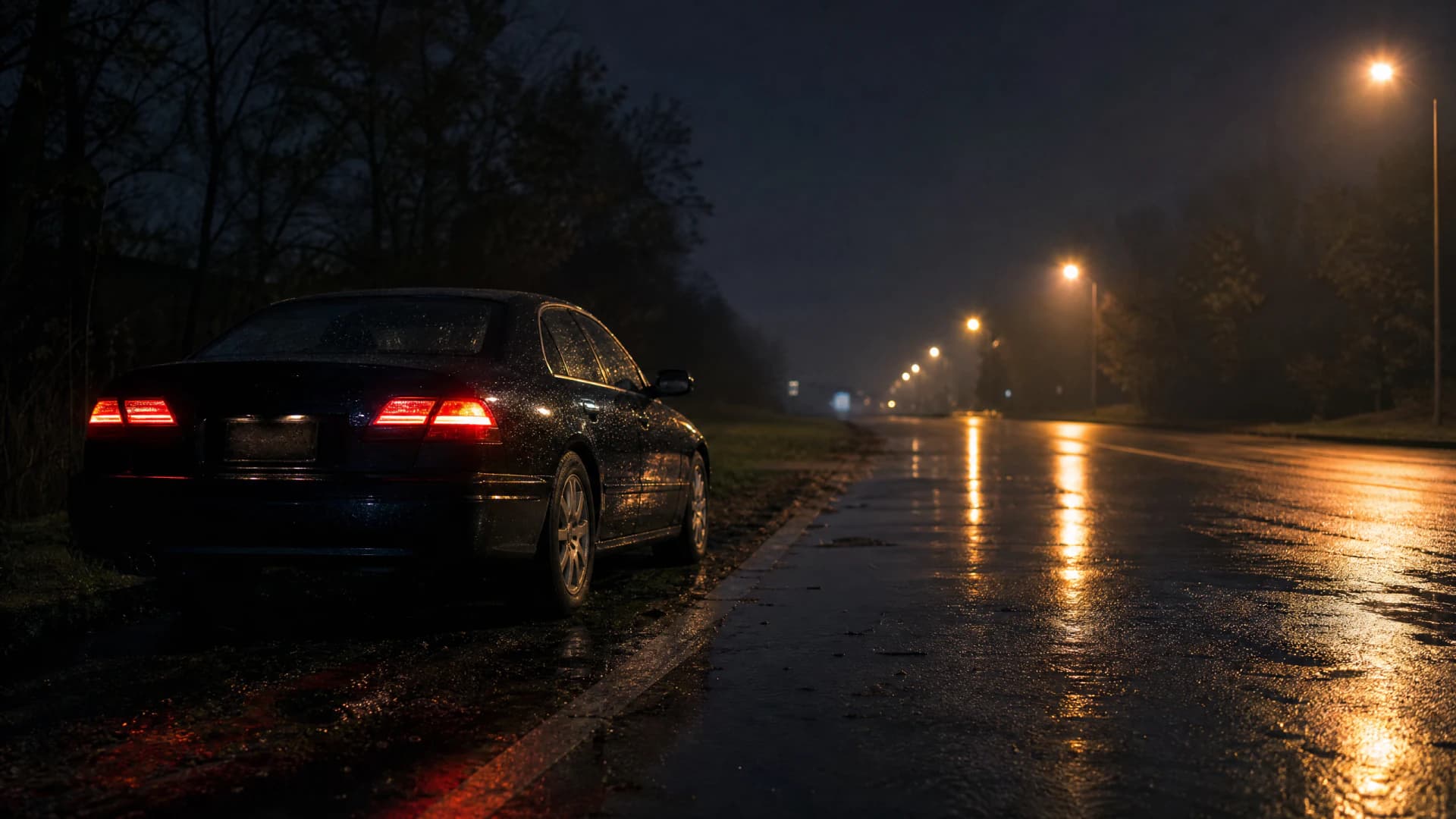
Washington's electronic insurance verification system triggers automatic re-suspension within 48 hours of any SR-22 lapse — you will not receive a grace period or warning letter.

Ignition Interlock License Requires SR-22 on Day One for DUI Suspensions
Washington eliminated traditional hardship or occupational licenses for DUI-related suspensions and replaced them with the Ignition Interlock License system under RCW 46.20.385. If your suspension stems from a DUI conviction or an administrative license revocation following a breath test refusal or failure, you can apply for an IIL immediately in most cases — there is no mandatory hard suspension waiting period for first-offense administrative suspensions.
The IIL allows you to drive any vehicle at any time, with no route or time-of-day restrictions, as long as the vehicle is equipped with a DOL-approved ignition interlock device. To apply, you must submit proof of IID installation from a DOL-approved vendor, proof of SR-22 insurance filing, and pay a $100 application fee. The SR-22 filing must be active before DOL will issue the IIL — you cannot complete the application without it.
If you don't own a vehicle, the IID installation requirement creates a structural problem: you can't install a device in a car you don't have. Some suspended drivers apply for IIL after borrowing or leasing a vehicle and installing the IID in that vehicle, but this adds $70–$100/mo in IID lease costs on top of insurance. For drivers without access to a vehicle, completing the full suspension period and then filing SR-22 for reinstatement is often the cheaper path, even though it takes longer.
3 years
WA SR-22 Filing Duration
Washington requires SR-22 filing for 3 years after reinstatement for most DUI, reckless driving, and uninsured operation suspensions. The clock starts when DOL receives the SR-22 certificate, not when your license is reinstated. If you apply for an Ignition Interlock License instead of waiting out the suspension, the 3-year SR-22 period begins the day the IIL is issued.
RCW 46.29, Washington DOL reinstatement requirements
Reinstatement Fees Stack on Top of Insurance Costs
Once your suspension period ends and you've maintained SR-22 filing for the required duration, you must pay a $75 base reinstatement fee to DOL to restore your license. DUI-related suspensions add additional fees: completion of a DOL-approved Alcohol/Drug Information School typically costs $150–$400 depending on the provider, and some counties require a substance abuse evaluation that costs $100–$200. These are one-time costs, but they're mandatory — DOL will not reinstate your license without proof of completion.
If your suspension was designated as a Habitual Traffic Offender revocation under RCW 46.65, the reinstatement process requires a hearing before DOL will restore your license. HTO revocations apply after 3 major violations or 20 minor violations within 5 years. The revocation period is 7 years, reducible to 4 years if you meet specific conditions. SR-22 filing is still required during and after the revocation period.
Compare Non-Owner SR-22 Carriers Before You File
The difference between the cheapest and most expensive non-owner SR-22 policy in Washington is $20–$40 per month, which compounds to $720–$1,440 over a 3-year filing period. Geico, Progressive, The General, Dairyland, and USAA all file SR-22 electronically and meet DOL's requirements, so your reinstatement timeline is identical regardless of which carrier you choose. The only variable that matters is monthly premium.
Request quotes from at least three carriers. Disclose your suspension reason and violation history accurately — misrepresenting your record will cause the carrier to cancel your policy after discovering the discrepancy through DOL's electronic verification system, and that cancellation triggers immediate re-suspension. Enter your current address, not a relative's address in a different county, because Washington rates vary significantly by ZIP code based on local accident and theft rates. Compare the monthly premium, the SR-22 filing fee (typically $15–$50 one-time), and whether the carrier allows monthly payments or requires a 6-month advance payment.
Five Carriers Write Non-Owner SR-22 Statewide in Washington
Geico and Progressive write non-owner SR-22 through their standard-tier divisions and offer online quotes. Both require you to disclose your suspension reason during the application. Geico's non-owner rates for clean-record suspended drivers start around $30/mo for state minimums; Progressive's rates run slightly higher at $35–$45/mo depending on violation type. Both carriers file the SR-22 certificate electronically with DOL within 24–48 hours of policy purchase.
The General and Dairyland specialize in non-standard auto insurance and serve higher-risk drivers. The General's non-owner SR-22 policies typically cost $50–$70/mo for DUI suspensions and $35–$50/mo for non-DUI triggers. Dairyland writes similar rate ranges and allows monthly payments with no down payment in most cases. USAA restricts eligibility to active-duty military, veterans, and their families, but offers the lowest non-owner SR-22 rates in the state at $20–$35/mo when you qualify.
Get Your Free Quote
Get My Washington Suspended License Insurance QuoteFrequently Asked Questions
Can I get non-owner SR-22 insurance in Washington if I don't have a car?
Yes. Non-owner SR-22 policies are designed specifically for drivers who don't own a vehicle but need to meet Washington's proof-of-insurance requirement for license reinstatement. Geico, Progressive, The General, Dairyland, and USAA all write non-owner SR-22 in Washington. The policy provides liability coverage when you drive a borrowed or rental vehicle and satisfies DOL's SR-22 filing requirement.
How much does non-owner SR-22 insurance cost in Washington?
Non-owner SR-22 policies covering Washington's 25/50/10 minimum liability limits typically cost $25–$45 per month for suspended drivers with clean records prior to suspension. DUI or reckless driving convictions push the range to $50–$85/mo. Rates vary by carrier, county, and violation history. A one-time SR-22 filing fee of $15–$50 applies when the carrier submits the certificate to DOL.
What happens if my non-owner SR-22 policy lapses in Washington?
Washington DOL receives electronic notification from your carrier within 48 hours of any SR-22 lapse or cancellation. Your license is automatically re-suspended the same day DOL processes the lapse notice. You will not receive a grace period or warning letter. To lift the re-suspension, you must purchase a new SR-22 policy and the carrier must file a new certificate with DOL. The 3-year SR-22 filing period resets from the date of the new filing.
Do I need SR-22 to apply for an Ignition Interlock License in Washington?
Yes. Washington requires proof of SR-22 insurance filing as part of the Ignition Interlock License application under RCW 46.20.385. You must submit the SR-22 certificate along with proof of IID installation and payment of the $100 IIL application fee. DOL will not issue the IIL without an active SR-22 filing on record. The SR-22 must remain active for 3 years from the date the IIL is issued.
Which insurance carriers write non-owner SR-22 policies in Washington?
Five carriers confirmed writing non-owner SR-22 in Washington: Geico, Progressive, The General, Dairyland, and USAA (military-eligible only). Geico and Progressive offer online quotes and file SR-22 certificates electronically within 24–48 hours. The General and Dairyland specialize in non-standard auto and serve higher-risk drivers. USAA restricts eligibility to active-duty military, veterans, and their families but offers the lowest rates when you qualify.
How long do I have to maintain SR-22 filing in Washington?
Washington requires SR-22 filing for 3 years from the date DOL receives the certificate for most DUI, reckless driving, and uninsured operation suspensions. The filing period begins when the SR-22 is submitted, not when your license is reinstated or when your conviction occurred. If your policy lapses and you file a new SR-22, the 3-year clock resets from the new filing date.