
Second-Offense SR-22 Insurance — Washington
Free to compare
Why Second-Offense SR-22 Shopping Feels Impossible
You received your second DUI suspension notice from Washington DOL. Your license is revoked. Your previous SR-22 carrier dropped you the day the conviction posted. You know you need an Ignition Interlock License to drive legally, and you know that requires SR-22 insurance—but the three carriers you called either declined to quote or returned monthly premiums over $400.
The structural reality: second-offense SR-22 in Washington is not priced like adding a filing to existing coverage. Carriers treat repeat DUI convictions as underwriting red flags that trigger non-standard tier placement, and most standard-market insurers will not write the policy at all. The carriers who will write it price primarily on your IID compliance record and prior SR-22 maintenance history—not just the conviction count.
“Carriers price second-offense SR-22 by IID violation history and prior SR-22 lapse—clean compliance drops premiums 50% below drivers who violated interlock terms.”

Find a Washington Insurer That Will Cover You Now
Get My Washington Suspended License Insurance Quote$180–$320/mo
WA Second-Offense SR-22 Range
Monthly premiums for drivers with two DUI convictions and clean IID compliance history. Rates climb to $350–$500/mo for drivers with prior interlock violations or SR-22 lapses during the first filing period.
Non-standard carrier rate filings, Washington Department of Licensing IID program data
What Washington DOL Actually Requires After a Second DUI
Washington DOL issues a mandatory revocation after a second DUI conviction within seven years. The revocation period ranges from two years (minimum) to life (for multiple aggravating factors). During revocation you cannot drive at all unless you obtain an Ignition Interlock License under RCW 46.20.385.
The IIL allows unrestricted driving—any time, any destination—but only in a vehicle equipped with a DOL-approved ignition interlock device. To apply for the IIL you must provide proof of IID installation from a DOL-approved vendor, submit an SR-22 insurance filing, pay the $100 IIL application fee, and have no other disqualifying suspensions active.
The SR-22 filing must remain active for three years from your conviction date, not your IIL issue date. If the filing lapses for any reason—missed payment, carrier cancellation, voluntary termination—DOL automatically cancels your IIL and re-suspends your driving privilege. You cannot reinstate without starting the three-year SR-22 clock over.
Second-offense drivers face longer IID requirement periods than first offenders. Washington requires IID installation for a minimum of five years for a second conviction, ten years for a third. The IIL and SR-22 periods run concurrently, but the IID mandate extends beyond the SR-22 window in most cases.
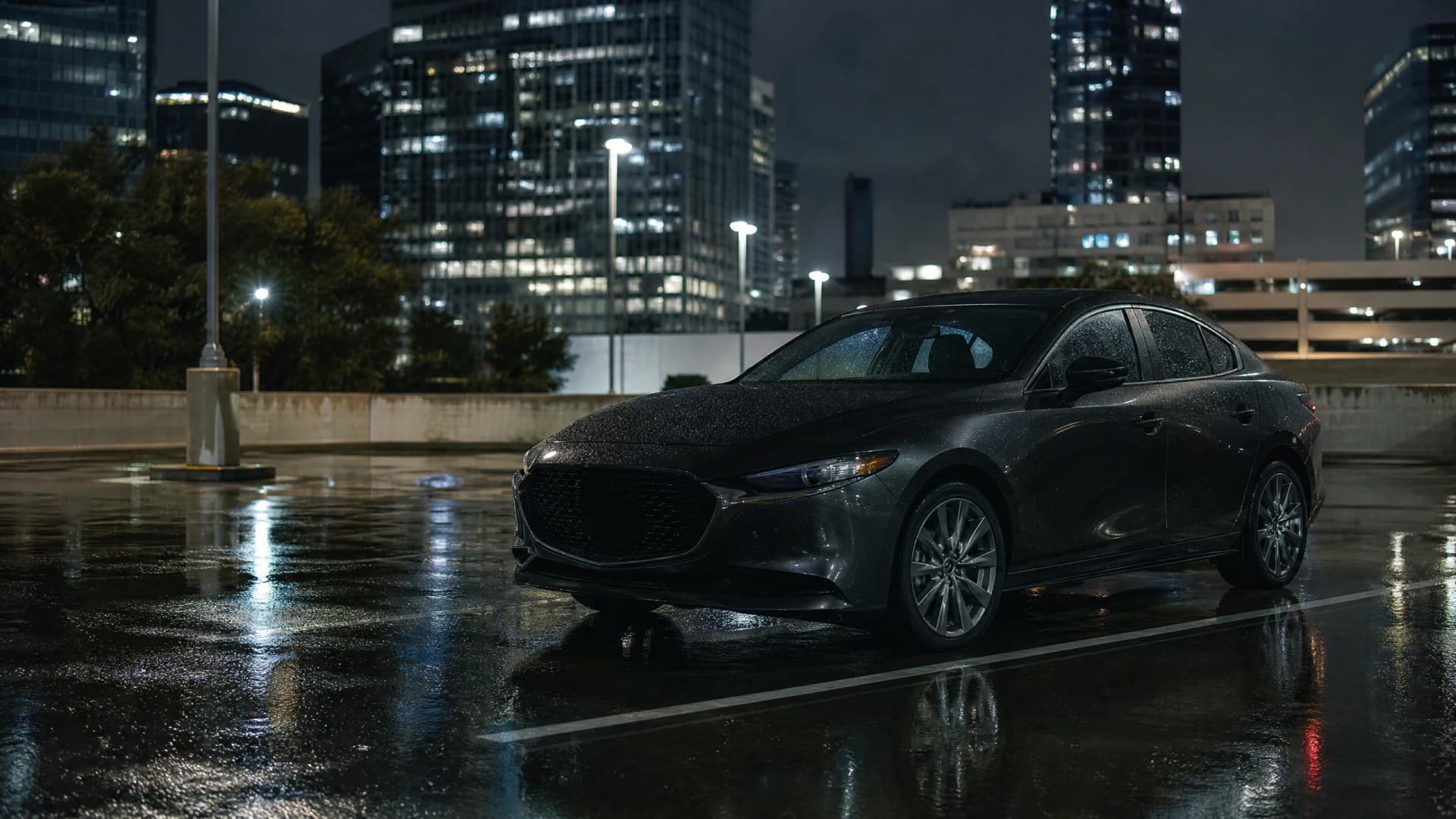
Standard-tier carriers (State Farm, Allstate, Farmers) rarely write second-offense SR-22 policies in Washington. The blocker is underwriting guidelines that cap DUI conviction counts at one within five years.
Related Articles






Which Carriers Write Second-Offense SR-22 in Washington
Bristol West, Dairyland, The General, and Progressive are the four carriers most likely to quote second-offense SR-22 policies in Washington. All four operate non-standard divisions specifically designed for high-risk drivers. Bristol West and Dairyland specialize in multi-DUI cases and maintain underwriting capacity for drivers with IID violations. Progressive writes selectively—clean IID compliance improves approval odds significantly.
Geico writes some second-offense cases but declines drivers with IID violations or prior SR-22 lapses. National General writes second offenses through its non-standard subsidiary but requires at least 12 months elapsed since the most recent conviction date. State Farm writes first-offense SR-22 but company guidelines prohibit writing policies for drivers with two or more DUI convictions within ten years.
If you currently own a vehicle, obtain quotes from all four primary carriers. If you do not own a vehicle and need SR-22 solely to satisfy DOL's IIL requirement, request non-owner SR-22 quotes from Dairyland, The General, and Progressive. Non-owner policies carry no collision or comprehensive coverage—they provide liability-only protection and the SR-22 filing. Monthly premiums for non-owner second-offense policies range from $140–$220.
5 years minimum
WA Second-Offense IID Period
Washington DOL requires ignition interlock device installation for at least five years after a second DUI conviction. The SR-22 filing period is three years, but the IID mandate extends beyond SR-22 completion in all second-offense cases.
RCW 46.20.720, Washington Department of Licensing IID program requirements

What Happens If You Let SR-22 Coverage Lapse
Washington DOL receives electronic notification within 24 hours when an SR-22 filing is cancelled or lapses. The notification triggers automatic IIL cancellation. Your driving privilege is immediately suspended. You cannot reinstate until you file a new SR-22, pay a $75 reinstatement fee, and restart the three-year SR-22 clock from the new filing date—not from your original conviction date.
Carriers report lapses to DOL when you miss a premium payment (typically after 10–15 days past due), when you voluntarily cancel your policy, or when the carrier non-renews you at policy expiration without SR-22 overlap to a new insurer. Switching carriers mid-term is allowed, but the new SR-22 filing must be active before the old policy cancels. A single day of gap coverage triggers the lapse and suspension.
If you lapse SR-22 during your second-offense filing period, future carriers code you as a lapse risk and apply 40–60% surcharges to already-elevated non-standard premiums. A second SR-22 lapse within five years may result in declination from all non-standard carriers except Bristol West and Dairyland, both of which write high-risk repeat-lapse cases but at premiums exceeding $400/mo.
Start With the Carriers Writing Your Risk Profile
Request quotes from Bristol West, Dairyland, The General, and Progressive first. Provide your exact conviction dates, any IID violation history, and whether your first SR-22 filing completed without lapse. Disclosure improves underwriting accuracy—carriers pull DOL records regardless, and undisclosed violations trigger automatic declination.
Compare monthly premiums and SR-22 filing fees separately. Some carriers charge $25–$50 to file the SR-22 certificate; others include filing at no additional cost. The monthly premium is the larger cost driver, but filing fees add $75–$150 to your first-year expense. If you need non-owner coverage because you do not currently own a vehicle, specify that when requesting quotes—non-owner policies price 20–35% below standard policies for the same driver profile.
Once you secure coverage and the carrier files your SR-22 with Washington DOL, you can apply for your Ignition Interlock License. The IIL application requires proof of SR-22 on file, proof of IID installation from a DOL-approved vendor, and the $100 application fee. Processing takes 5–10 business days. Your IIL allows you to drive legally during the revocation period as long as SR-22 and IID compliance remain unbroken.
How Carriers Price Second-Offense Policies
IID compliance history is the largest single rating factor. Carriers access Washington DOL's IID violation database, which tracks failed breath tests, circumvention attempts, and missed calibration appointments. A driver with zero IID violations during their first SR-22 period qualifies for base non-standard rates ($180–$240/mo). A driver with multiple violations or a revoked IIL due to interlock tampering faces surcharged rates ($320–$500/mo) and may be declined entirely.
Prior SR-22 lapse is the second critical factor. If your first SR-22 filing lapsed before completing the three-year requirement—due to non-payment, switching carriers without overlap, or voluntary cancellation—you are coded as a lapse risk. Carriers apply 30–50% surcharges to base rates because lapse triggers automatic DOL suspension, creating claims exposure the insurer cannot mitigate. Maintaining continuous SR-22 coverage from first conviction through reinstatement significantly reduces your second-offense premium.
Get Your Free Quote
Get My Washington Suspended License Insurance QuoteFrequently Asked Questions
Do I need SR-22 insurance if my license is already revoked in Washington?
Yes. Washington DOL requires an active SR-22 filing to issue an Ignition Interlock License, which is the only legal driving option during a second-offense DUI revocation. You cannot drive at all without the IIL, and you cannot obtain the IIL without proof of SR-22 insurance on file.
Can I get SR-22 insurance in Washington without owning a car after a second DUI?
Yes. Non-owner SR-22 policies provide liability coverage and the required SR-22 filing without insuring a specific vehicle. Dairyland, The General, and Progressive write non-owner policies for second-offense DUI drivers. Monthly premiums range from $140–$220 depending on IID compliance history.
How long do I need SR-22 insurance after a second DUI in Washington?
Three years from your conviction date. Washington DOL requires continuous SR-22 filing for the entire three-year period. If the filing lapses for any reason, DOL suspends your Ignition Interlock License immediately and restarts the three-year clock from the date you file a new SR-22.
Why are second-offense SR-22 rates so much higher than first-offense rates in Washington?
Carriers move second-offense DUI drivers into non-standard underwriting tiers with higher base rates. Additionally, they apply surcharges based on IID violation history and prior SR-22 lapse. A second conviction with clean IID compliance costs $180–$320/mo; drivers with interlock violations or SR-22 lapses face $350–$500/mo.
What happens if I move to another state during my Washington SR-22 requirement?
Your three-year SR-22 filing obligation follows you. You must notify your carrier of the address change and determine whether the new state requires SR-22 or an equivalent filing like FR-44. Washington DOL continues to monitor your filing status until the three-year period completes, regardless of your residence state.
Can I switch SR-22 insurance carriers during my three-year filing period in Washington?
Yes, but the new carrier must file your SR-22 with Washington DOL before your current policy cancels. Any gap in SR-22 coverage—even one day—triggers automatic suspension of your Ignition Interlock License. Coordinate the switch carefully to ensure continuous filing overlap.
Will my second-offense SR-22 rates go down after I complete my IID requirement in Washington?
Premiums typically decrease 15–25% once you complete the five-year IID requirement without violations, but the SR-22 filing surcharge remains until you finish the full three-year SR-22 period. After both obligations end and your driving record shows no new violations, you may qualify for standard-tier coverage at significantly lower rates.