Third-Offense DUI SR-22 Insurance — Washington
Free to compare
The Carrier List Shrinks After Your Third DUI
You completed the ignition interlock device installation, paid the $170 reinstatement fee, and sat through the DUI education program. Now the DOL tells you that you need SR-22 insurance for three years before they'll process your Ignition Interlock License application. You try GEICO's online quote tool, State Farm's agent, and two local brokers — and all three come back with the same answer: they won't write a policy on a third-offense DUI with active IID requirements.
Washington's third-DUI SR-22 market operates under different underwriting rules than first or second offenses. Most standard carriers that write SR-22 for one-time DUI filers explicitly exclude third offenses from their underwriting guidelines. The ignition interlock requirement compounds the problem: carriers that will write high-risk DUI policies often refuse to insure vehicles with IID systems installed, citing equipment liability concerns and claims complexity.
“Washington's third-DUI SR-22 market has collapsed to five willing carriers, and standard online quote tools fail when you disclose the interlock requirement.”

Find a Washington Insurer That Will Cover You Now
Get My Washington Suspended License Insurance Quote5 carriers
Washington Third-DUI Writers
Bristol West, Dairyland, The General, National General, and Progressive write SR-22 policies for third-offense DUI in Washington with ignition interlock requirements. GEICO and State Farm will file SR-22 but typically decline third-offense cases during underwriting review.
Carrier underwriting guidelines per Washington DOL approved SR-22 provider list
Why the Interlock Requirement Blocks Most Quotes
Washington requires ignition interlock installation for all DUI-related license reinstatements under RCW 46.20.720, and third-offense cases carry longer mandatory IID periods than first or second offenses. The device itself costs $75–$150 to install and $60–$90 monthly to maintain, but the bigger obstacle is carrier willingness to insure the vehicle while the device is active.
Standard carriers treat IID-equipped vehicles as uninsurable risks. Their underwriting systems flag the device as evidence of multiple high-risk violations, and their claims departments refuse to process collision or comprehensive coverage on vehicles they consider structurally modified by court order. This creates a structural trap: you need insurance to get the Ignition Interlock License, but most carriers won't insure you because you need the interlock.
The five carriers listed above have dedicated non-standard divisions that write IID-equipped vehicle policies as a core business line. They assess third-DUI risk differently: rather than declining outright, they price the risk into the premium and file SR-22 as part of the standard policy package.
The DOL will not process your IIL application without proof of SR-22 filing — and standard online quote tools will fail when you disclose the third DUI during the application flow.



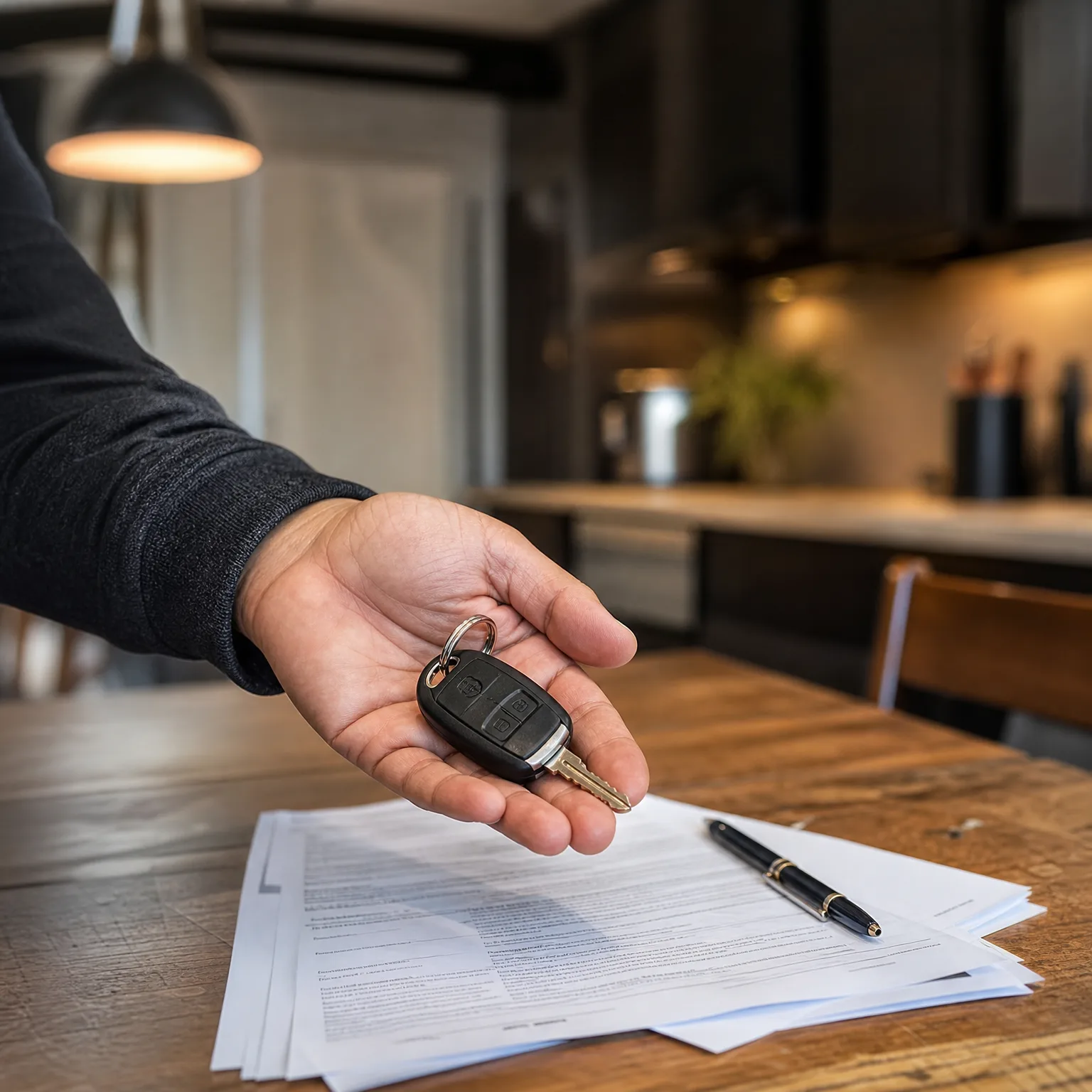

The Ignition Interlock License Application Sequence
Washington's Ignition Interlock License under RCW 46.20.385 replaces the traditional hardship or occupational license for DUI suspensions. You apply through the DOL, not the court. The application requires proof of ignition interlock installation from a DOL-approved provider, SR-22 insurance filing confirmation, and payment of the $100 IIL application fee. Your SR-22 must be active before the DOL will accept the application — they verify filing status electronically during processing.
Third-offense cases face longer mandatory IID periods than first or second offenses, typically 10 years from the date of conviction. The IIL allows unrestricted driving (any time, any destination) as long as you operate only IID-equipped vehicles. Driving any non-equipped vehicle, even once, triggers automatic IIL revocation and extends your suspension period. Violating IID program rules — failed breath tests, missed calibration appointments, or tampering — produces the same result.
The DOL does not process IIL applications until all other suspensions are resolved. If you have overlapping suspensions for unpaid tickets, child support arrears, or insurance lapses, those must clear first. Check your driving record abstract before applying: unresolved holds will delay processing for weeks without notification.
$170
Third-DUI Reinstatement Fee
Washington charges a $170 reinstatement fee specifically for DUI-related license suspensions, separate from the $100 Ignition Interlock License application fee. Both must be paid before driving privileges are restored. The $75 base reinstatement fee applies to non-DUI suspensions.
Washington DOL fee schedule, RCW 46.20.311

Filing Mechanics and Lapse Consequences
Your SR-22 filing must remain active and uninterrupted for three full years from the date of reinstatement, not from the date of conviction or suspension. If your policy lapses for any reason — missed payment, voluntary cancellation, carrier non-renewal — the insurance company notifies the DOL electronically within 24 hours. The DOL suspends your license immediately upon receiving the lapse notification. There is no grace period.
Restarting the three-year clock after a lapse requires filing a new SR-22, paying another reinstatement fee, and in some cases reapplying for the Ignition Interlock License depending on how long the lapse lasted. Most carriers will not reinstate a lapsed policy; you must bind a new policy with a willing carrier and refile. This process takes 3–7 business days minimum, during which you cannot legally drive.
Set up automatic payment from a stable bank account. Policy lapses are the most common reinstatement obstacle for third-DUI filers, and they extend the total time under SR-22 requirement by years in aggregate. Carriers do not send courtesy reminders before reporting lapses to the state.
What Happens If You Move Out of State
Washington's three-year SR-22 requirement follows you if you move to another state before the filing period ends. You must obtain SR-22 insurance in your new state of residence and notify the Washington DOL of the interstate filing transfer. Not all states accept out-of-state SR-22 transfers, and some require you to satisfy their own reinstatement process before issuing a new license. Oregon, Idaho, and California accept Washington SR-22 transfers under reciprocal agreements; other states evaluate case-by-case.
If you move without transferring your SR-22 filing, Washington treats it as a lapse and suspends your driving privilege in their system. This creates a hold that blocks license issuance in most other states because they check the National Driver Register before processing new applications. Resolve the Washington hold first, even if you never plan to return — leaving it unresolved produces license denials in your new state for years.
Start the SR-22 Quote Process Now
The five carriers that write third-DUI SR-22 policies in Washington do not all maintain open enrollment year-round. Bristol West and Dairyland process applications continuously, but The General and National General periodically suspend new high-risk applications when their loss ratios exceed underwriting thresholds. Applying early — before your IIL eligibility date — ensures you bind coverage when capacity is available.
Contact non-standard carriers directly rather than using aggregator quote tools. Standard comparison sites exclude third-offense DUI from their underwriting flows and will waste days collecting information before returning a declination. Brokers specializing in high-risk auto insurance can access multiple non-standard carriers simultaneously and know which underwriters are currently accepting third-DUI applications. Expect the quote process to take 48–72 hours from application to policy binding, and budget for the first month's premium plus SR-22 filing fee up front.
How Non-Standard Carriers Price Third-DUI SR-22
Expect monthly premiums between $180 and $280 for state-minimum liability coverage (25/50/10) with SR-22 filing. Carriers calculate base rate from your conviction count, then apply surcharge multipliers: third offenses carry 2.8× to 3.5× multipliers compared to first-offense DUI base rates. High BAC arrests (0.15% or above) add another 15–25% to the multiplier. Recent offenses (within 24 months) price higher than older convictions because actuarial loss data shows higher claim frequency in the first two years post-conviction.
Collision and comprehensive coverage on IID-equipped vehicles adds $90–$140/month on top of liability premiums, but most third-DUI filers skip physical damage coverage to meet the reinstatement requirement at the lowest possible cost. The SR-22 filing fee itself is $15–$25 one-time, processed by the carrier and submitted electronically to the DOL within 24–72 hours of policy binding.
Get Your Free Quote
Get My Washington Suspended License Insurance QuoteFrequently Asked Questions
Do I need SR-22 insurance while my license is still suspended in Washington?
Yes. Washington requires active SR-22 filing before the DOL will process your Ignition Interlock License application, even though your regular license remains suspended. The SR-22 proves financial responsibility as a condition of reinstatement, not permission to drive during suspension.
How much does SR-22 insurance cost after a third DUI in Washington?
Expect $180–$280 per month for state-minimum liability coverage with SR-22 filing from non-standard carriers. The premium reflects third-offense risk multipliers (2.8× to 3.5× base rate), BAC level at arrest, and time since most recent conviction. Collision and comprehensive coverage adds $90–$140/month if you choose to carry it.
Can I get SR-22 insurance if I don't own a car in Washington?
Yes. Non-owner SR-22 policies provide liability coverage when you drive vehicles you don't own, and satisfy Washington's SR-22 filing requirement for reinstatement. Dairyland, The General, and Progressive write non-owner SR-22 policies for third-DUI filers. Monthly cost is typically $120–$200.
What happens if my SR-22 insurance lapses in Washington?
Your carrier notifies the Washington DOL electronically within 24 hours of the lapse. The DOL suspends your license immediately with no grace period. Reinstating after a lapse requires binding a new policy, filing new SR-22, and paying another $170 reinstatement fee. The three-year SR-22 requirement clock does not restart — you still owe the full three years from your original reinstatement date.
How long do I have to keep SR-22 insurance after a third DUI in Washington?
Three years from the date your license is reinstated, not from the date of conviction. The filing period begins when the DOL processes your reinstatement and issues your Ignition Interlock License. Any lapse during the three years extends the total time you must maintain SR-22 coverage.
Will GEICO or State Farm write SR-22 for a third DUI in Washington?
GEICO and State Farm file SR-22 certificates but typically decline to write policies for third-offense DUI during underwriting review. Their risk models exclude multiple DUI convictions with active ignition interlock requirements. Non-standard carriers like Bristol West, Dairyland, The General, National General, and Progressive are the primary market for third-DUI SR-22 in Washington.