
Non-Owner SR-22 Insurance With No Deposit — Washington
Free to compare
The Filing Gap Between Suspension and Vehicle Access
Your license was suspended in Washington — DUI, uninsured driving, or another violation — and the Department of Licensing reinstatement letter specifies SR-22 insurance filing as a condition. You do not own a vehicle. You sold it after the suspension, or you never owned one to begin with. The employer verification form for the Ignition Interlock License (IIL) requires proof of SR-22 on file, but every carrier website you visit assumes you have a VIN to insure.
The structural reality: SR-22 is a certificate of financial responsibility, not a vehicle policy. Washington accepts non-owner SR-22 filings for reinstatement when the suspended driver does not own or regularly operate a vehicle. The filing requirement is independent of vehicle ownership. The deposit requirement — the upfront cash many carriers demand before issuing the certificate — is the actual blocker.
“The deposit is not a legal requirement — carriers set deposit policies independently, and Washington law does not mandate upfront payment before SR-22 filing.”

Find a Washington Insurer That Will Cover You Now
Get My Washington Suspended License Insurance Quote$35–$65/mo
WA Non-Owner SR-22 Premium
Monthly premium range for non-owner SR-22 policies in Washington, based on standard risk profile after suspension. Policies carry state minimum liability (25/50/10) with no collision or comprehensive coverage. Actual cost varies by violation history and carrier underwriting.
Carrier rate filings, Washington DOL minimum coverage requirements
What Non-Owner SR-22 Actually Covers in Washington
A non-owner SR-22 policy in Washington provides liability coverage when you drive a vehicle you do not own — a borrowed car, a rental, or an employer's vehicle. The policy follows you, not the vehicle. Washington requires minimum liability limits of $25,000 per person for bodily injury, $50,000 per accident for bodily injury, and $10,000 for property damage. The non-owner policy meets these minimums and attaches the SR-22 certificate the DOL requires for reinstatement.
The policy does not cover damage to the vehicle you are driving — that is the owner's responsibility through their own collision and comprehensive coverage. It does not cover vehicles you own or vehicles registered in your household. If you acquire a vehicle during the policy period, you must convert to a standard auto policy with SR-22 endorsement. The non-owner policy exists solely to satisfy the state's proof-of-financial-responsibility requirement when you do not own a vehicle but need legal driving privileges restored.
Washington DOL accepts electronic SR-22 filing. The carrier transmits the certificate directly to the state within 24 to 72 hours of policy purchase in most cases. The DOL processes the filing and updates your driving record. You receive a confirmation letter once the SR-22 is on file. This filing must remain active for three years from the violation date for most DUI and uninsured-driving suspensions — any lapse triggers automatic re-suspension.
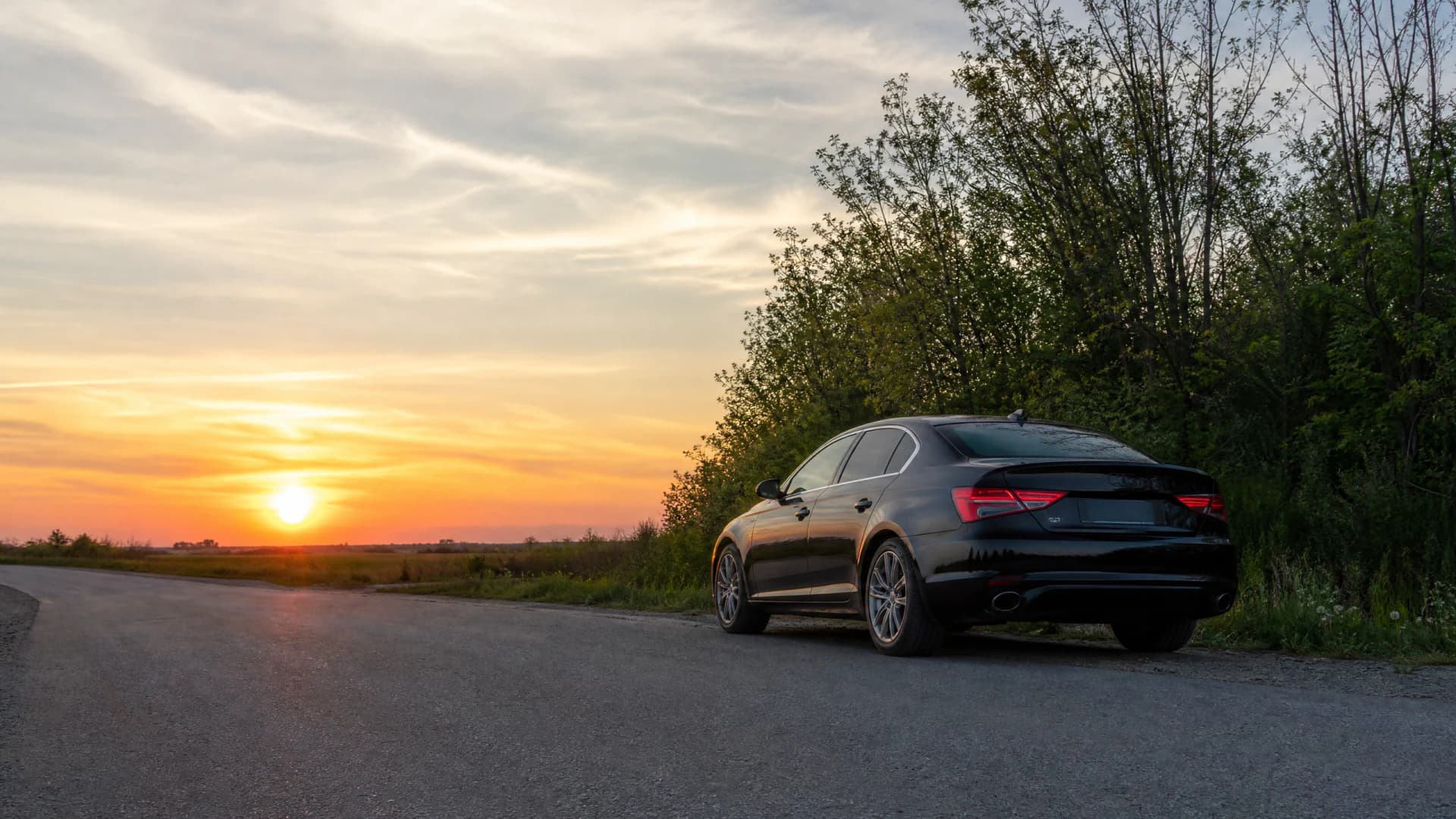
The deposit is not a legal requirement. Carriers set deposit policies independently. Washington law does not mandate upfront payment before SR-22 filing.
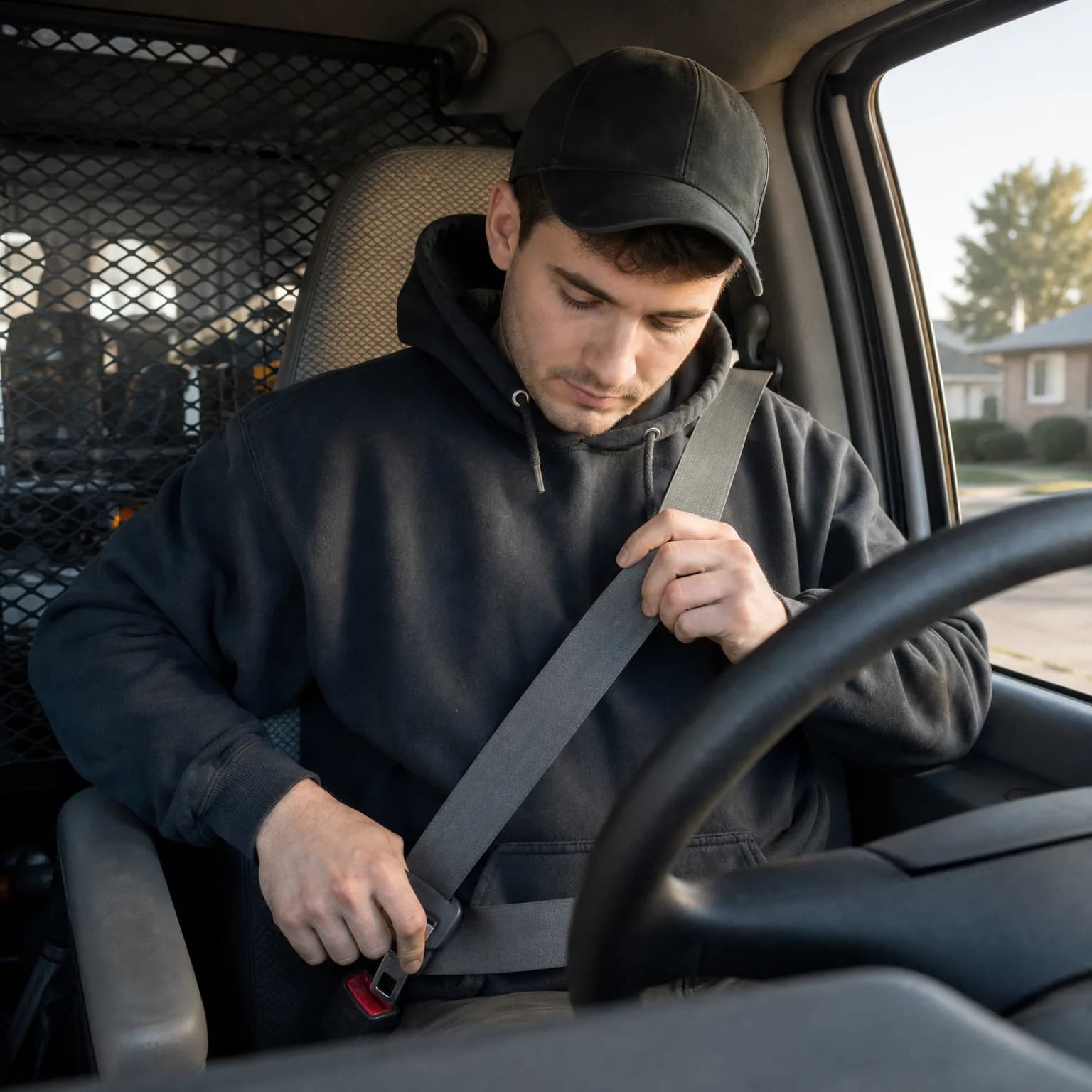






State-Specific Timing Windows and DOL Processing
Washington DOL requires SR-22 filing before issuing an Ignition Interlock License or lifting a suspension. The department does not process reinstatement applications until the SR-22 certificate appears in your driving record. Carrier electronic filing reaches DOL within one to five business days depending on carrier and state processing load. Paper filings take seven to ten business days and are rarely used.
If your suspension lift date is approaching and you have not yet secured SR-22 coverage, the timeline works against you. Missing the reinstatement window by even one day extends your suspension period and delays employer verification, IID installation approval, or other reinstatement steps. The deposit blocker — waiting for payday to cover the upfront cost — can push filing past the deadline.
One procedural failure mode: applicants assume the policy effective date and the SR-22 filing date are the same. They are not. The effective date is the date coverage begins. The filing date is the date DOL receives and processes the certificate. A policy purchased on the 15th with an effective date of the 15th may not file until the 17th or 18th. Build buffer time into your reinstatement timeline.
3 years
WA SR-22 Filing Period
Washington requires continuous SR-22 filing for three years following most DUI convictions and uninsured-driving suspensions, measured from the violation date. Any lapse in coverage triggers automatic DOL notification and immediate re-suspension under RCW 46.29. The filing period is not negotiable and does not reset if you switch carriers mid-term.
RCW 46.29, Washington DOL reinstatement guidelines

Cash-Flow Strategies When Deposit Is the Blocker
If deposit cost is delaying your SR-22 filing, request installment terms directly from the carrier before declining coverage. Dairyland and Bristol West underwriters have discretion to reduce down payments for applicants with verified employment or prior insurance history. Provide pay stubs, bank statements, or a letter from your employer confirming start date and anticipated income. Underwriters evaluate cash-flow risk — documentation reduces perceived risk and increases approval odds for zero-down or reduced-deposit structures.
Some brokers writing non-owner SR-22 policies in Washington aggregate multiple carrier quotes and negotiate deposit terms on your behalf. Independent agents with access to non-standard markets (Bristol West, Dairyland, National General) can compare deposit structures across carriers in a single session. The broker's commission is built into the premium; you pay no additional fee for this service. Call rather than quoting online — deposit flexibility is rarely visible in web-based quote tools.
What Happens After the SR-22 Files
Once the SR-22 certificate reaches Washington DOL, your driving record updates to reflect active financial responsibility filing. You receive a confirmation letter or email from DOL, typically within five to seven business days of the filing date. This confirmation does not reinstate your license automatically — it satisfies one condition of reinstatement. You must still complete any other requirements listed in your suspension notice: pay the $75 reinstatement fee, complete DUI education if applicable, install an ignition interlock device if required, and submit any court documentation DOL requested.
The three-year SR-22 filing period begins on the violation date, not the filing date. If your DUI conviction occurred on March 15, 2023, and you file SR-22 on June 1, 2025, the filing period ends March 15, 2026 — not June 1, 2028. Many suspended drivers misunderstand this and assume the clock starts when they purchase the policy. It does not. Verify your violation date with DOL before calculating your SR-22 end date. Any lapse during the required period resets the entire three-year clock and triggers immediate re-suspension under RCW 46.29.
Maintain continuous monthly payments. A single missed payment triggers a carrier cancellation notice to DOL. Washington law requires carriers to notify the state within ten days of policy cancellation. DOL re-suspends your license immediately upon receiving the cancellation notice. Reinstatement after an SR-22 lapse requires purchasing a new policy, refiling SR-22, paying another reinstatement fee, and potentially restarting the three-year filing period depending on the suspension cause. Set up automatic payments and monitor your bank account to prevent lapses.
How Deposit Structures Block Immediate Filing
Progressive and Geico typically require first-month premium plus a policy fee of $15 to $25 at binding. For a $50/month non-owner SR-22 policy, expect $65 to $75 upfront. The SR-22 certificate files electronically within 24 hours of payment. USAA (military-eligible only) allows monthly billing with zero deposit for approved applicants, but underwriting approval can take 48 to 72 hours.
Dairyland, Bristol West, and The General write high-risk non-owner policies and typically allow installment payment structures after an initial down payment of 20 to 30 percent of the six-month premium. For a $300 six-month policy, expect $60 to $90 down, followed by five monthly installments. The SR-22 files once the down payment clears. National General structures deposits similarly but may waive the down payment for applicants with prior continuous coverage verified through insurance history reports.
Get Your Free Quote
Get My Washington Suspended License Insurance QuoteFrequently Asked Questions
Can I get non-owner SR-22 insurance in Washington with no money down?
Some carriers allow zero-deposit non-owner SR-22 policies for approved applicants, but most require at least the first month's premium ($35–$65) plus a policy fee. USAA offers zero-down monthly billing for military-eligible drivers. Dairyland and National General may waive deposits for applicants with verified employment or prior continuous coverage.
How long does it take for SR-22 to file with Washington DOL after I buy the policy?
Electronic SR-22 filing reaches Washington DOL within one to five business days after policy purchase. The carrier transmits the certificate directly to the state. DOL processes the filing and updates your driving record, sending confirmation within five to seven business days of receipt.
Does non-owner SR-22 insurance cover me if I borrow someone's car in Washington?
Yes. Non-owner SR-22 policies provide liability coverage when you drive a vehicle you do not own — a borrowed car, rental, or employer vehicle. The policy covers bodily injury and property damage you cause to others, up to Washington's minimum limits of 25/50/10. It does not cover damage to the vehicle you are driving.
What happens if I miss a payment on my non-owner SR-22 policy in Washington?
A missed payment triggers a carrier cancellation notice to Washington DOL within ten days. DOL re-suspends your license immediately upon receiving the notice. Reinstatement requires purchasing a new policy, refiling SR-22, and paying another $75 reinstatement fee. Set up automatic payments to prevent lapses.
Do I still need SR-22 in Washington if I move out of state during the three-year filing period?
Yes. Washington requires continuous SR-22 filing for three years from the violation date regardless of where you live. If you move to another state, you must maintain a non-owner SR-22 policy that files with Washington DOL for the remainder of the period. Canceling the policy triggers re-suspension of your Washington driving privileges.