
Non-Owner SR-22 Insurance — Washington
Free to compare
When Washington Demands Insurance You Can't Use
Your license was suspended after a DUI and you sold your car to eliminate the insurance payment. Now Washington DOL says you need SR-22 proof of insurance to qualify for an Ignition Interlock License or full reinstatement. You don't own a vehicle. The requirement makes no sense, but it's blocking your path forward.
This isn't a processing error. Washington requires continuous SR-22 filing for DUI-related suspensions regardless of vehicle ownership. Non-owner SR-22 policies exist specifically for this structural gap: they satisfy DOL's insurance mandate without requiring you to own, register, or insure a specific vehicle.
“Non-owner SR-22 satisfies DOL's insurance mandate identically to standard coverage, but costs roughly half because it eliminates vehicle-specific exposure.”
Find a Washington Insurer That Will Cover You Now
Get My Washington Suspended License Insurance Quote$45–$85/mo
Non-Owner SR-22 Premium Range
Washington non-owner SR-22 policies typically cost $45–$85 per month for clean-record drivers with a single DUI suspension. Standard owner policies with SR-22 filing run $140–$220/mo for the same profile. The savings stems from eliminating collision, comprehensive, and vehicle-specific liability exposure.
Industry rate estimates, Washington-licensed carriers
What Non-Owner SR-22 Actually Covers
Non-owner SR-22 policies provide liability coverage when you drive a vehicle you don't own: a rental car, a friend's car, a borrowed vehicle from family. The policy follows you, not a specific VIN. Washington's minimum liability limits apply: $25,000 per person for bodily injury, $50,000 per accident, $10,000 for property damage.
The SR-22 certificate is filed electronically by your carrier directly to Washington DOL. DOL receives confirmation that you're maintaining continuous coverage. The non-owner distinction is invisible to DOL's system: the filing satisfies the insurance requirement identically to a standard owner policy.
Non-owner policies do NOT cover vehicles you own, vehicles registered in your name, or vehicles you have regular access to (defined as a household vehicle). If you later purchase a car, you must convert to a standard owner policy and transfer the SR-22 filing. Driving your own uninsured vehicle on a non-owner policy leaves you completely exposed.
Non-owner SR-22 satisfies Washington's insurance mandate for IIL eligibility and full reinstatement, but the policy provides zero coverage if you drive a vehicle you own or register.
Non-Owner SR-22 and Washington's Ignition Interlock License
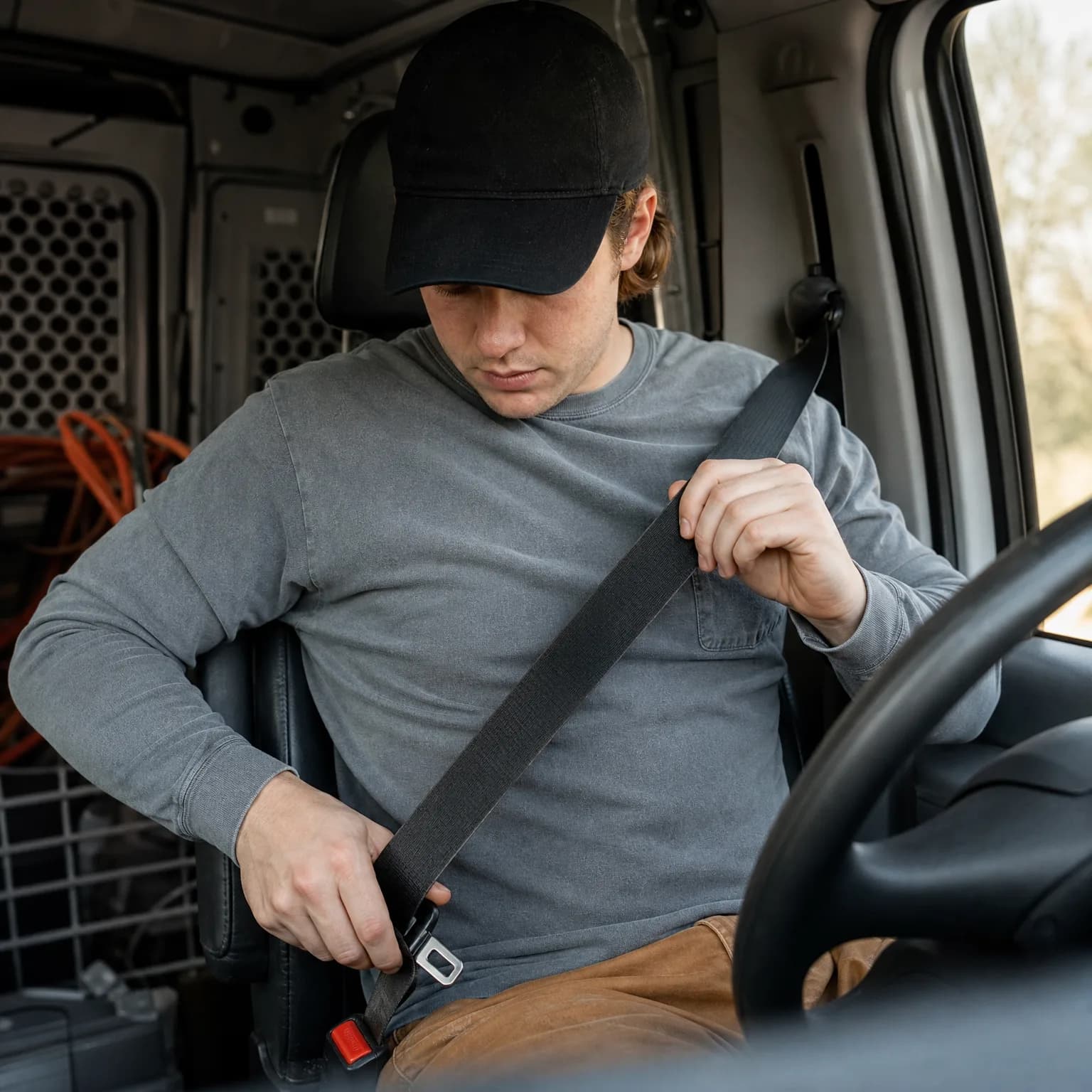
Washington's Ignition Interlock License allows DUI-suspended drivers to drive any vehicle equipped with a DOL-approved ignition interlock device. IIL eligibility requires three things: completed application, proof of IID installation from a DOL-approved provider, and SR-22 insurance filing. The $100 IIL application fee is separate from reinstatement fees.
Non-owner SR-22 satisfies the insurance filing requirement for IIL applications. The structural quirk: you can't drive your own vehicle on an IIL unless that vehicle is registered in your name and equipped with an approved IID. If you're borrowing an IID-equipped vehicle from someone else, non-owner SR-22 coverage applies. If you later purchase a vehicle, you must register it, install the IID, and convert to standard owner SR-22 insurance before driving it under your IIL.
IIL allows unrestricted driving—no route restrictions, no time-of-day limits—provided the vehicle has a functioning IID. Non-owner SR-22 keeps the insurance cost manageable while you're driving borrowed or IID-equipped rental vehicles during the suspension period.
3 years
Washington SR-22 Filing Duration
Washington requires SR-22 filing for 3 years after DUI conviction, measured from the conviction date, not the filing date or the suspension start date. The filing period continues even after full license reinstatement. Letting the SR-22 lapse at any point during the 3-year window triggers immediate re-suspension.
RCW 46.29.090, Washington DOL SR-22 requirements
When to Convert from Non-Owner to Owner SR-22
The moment you purchase a vehicle or register a vehicle in your name, non-owner coverage terminates. Contact your carrier immediately to convert the policy to a standard owner policy and transfer the SR-22 filing to the new policy. Most carriers complete the transfer within one business day without breaking SR-22 continuity, but you must initiate the change before driving the newly acquired vehicle.
If you drive your own vehicle on a non-owner policy, you're operating uninsured. An accident leaves you personally liable for all damages with no coverage. Washington DOL receives a lapse notice when the non-owner policy cancels, triggering suspension even if you immediately bind a new owner policy afterward. The conversion must happen before the non-owner policy cancels, not after.
Compare Non-Owner SR-22 Carriers Now
Six carriers write non-owner SR-22 policies in Washington, and monthly premiums vary by $30–$50 depending on your DUI conviction date and prior insurance history. Request quotes from at least three carriers writing non-owner SR-22: Progressive, Geico, Dairyland, Bristol West, and The General all confirmed availability. Bind the policy, confirm DOL receives the electronic SR-22 filing within 3 business days, and maintain continuous coverage for the full 3-year filing period. The non-owner policy satisfies Washington's insurance mandate without forcing you to own or insure a vehicle you're not driving.
How to Obtain Non-Owner SR-22 in Washington
Contact carriers writing non-owner SR-22 in Washington: Progressive, Geico, USAA (military-eligible only), Dairyland, Bristol West, and The General all confirmed non-owner SR-22 availability as of current licensing data. Request a non-owner liability quote and specify that you need SR-22 filing to Washington DOL. The carrier will ask for your driver's license number and the date your suspension began. Most carriers quote and bind non-owner policies online or by phone within 24 hours.
Once bound, the carrier files the SR-22 certificate electronically to Washington DOL within 1–3 business days. You'll receive a physical copy of the SR-22 form by mail, but DOL processes the electronic filing first. Maintain the policy continuously: any lapse triggers an automatic notice to DOL, which immediately suspends your driving privilege again. Washington tracks SR-22 lapses through an electronic insurance verification system; there is no grace period between carrier cancellation notification and DOL suspension action.
Get Your Free Quote
Get My Washington Suspended License Insurance QuoteFrequently Asked Questions
Can I get SR-22 insurance in Washington without owning a car?
Yes. Non-owner SR-22 policies satisfy Washington DOL's insurance filing requirement without requiring vehicle ownership. Carriers including Progressive, Geico, Dairyland, Bristol West, and The General write non-owner SR-22 policies in Washington. The policy provides liability coverage when you drive borrowed or rental vehicles and files the required SR-22 certificate to DOL electronically.
How much does non-owner SR-22 insurance cost in Washington?
Non-owner SR-22 policies in Washington typically cost $45–$85 per month for drivers with a single DUI suspension and no other violations. This is roughly half the cost of standard owner SR-22 policies ($140–$220/mo) because non-owner coverage eliminates collision, comprehensive, and vehicle-specific liability exposure. Rates vary by conviction date and insurance history.
Does non-owner SR-22 insurance work with Washington's Ignition Interlock License?
Yes. Non-owner SR-22 satisfies the insurance filing requirement for Ignition Interlock License (IIL) eligibility in Washington. You can drive IID-equipped vehicles you don't own under a non-owner policy. If you later purchase a vehicle, you must register it, install an IID, and convert to standard owner SR-22 insurance before driving it under your IIL.
How long do I need to maintain non-owner SR-22 in Washington?
Washington requires SR-22 filing for 3 years after DUI conviction, measured from the conviction date. You must maintain continuous non-owner SR-22 coverage for the entire 3-year period, even after full license reinstatement. Any lapse triggers automatic DOL suspension. If you purchase a vehicle during the 3-year filing period, convert to owner SR-22 immediately to maintain continuity.
What happens if I let my non-owner SR-22 policy lapse in Washington?
Washington DOL receives automatic electronic notification when your carrier cancels a non-owner SR-22 policy. DOL immediately suspends your driving privilege. There is no grace period. To reinstate after a lapse, you must obtain new SR-22 coverage, pay a $75 reinstatement fee, and restart the 3-year SR-22 filing period from the date of the new filing.
Can I switch from non-owner SR-22 to regular car insurance in Washington?
Yes, when you purchase or register a vehicle. Contact your carrier immediately to convert the non-owner policy to a standard owner policy and transfer the SR-22 filing. Most carriers complete the transfer within one business day without breaking SR-22 continuity. Do not drive the newly acquired vehicle before the conversion completes, or you'll be operating uninsured.