
Non-Owner SR-22 Insurance for Borrowed Cars — Washington
Free to compare
Why Non-Owner SR-22 Exists
You were driving a friend's car when you received a DUI citation. Your license is suspended, and Washington DOL sent notice requiring SR-22 insurance filing for reinstatement. You don't own a vehicle. The standard SR-22 insurance pathway assumes you insure a car you own, but that doesn't match your situation.
Non-owner SR-22 insurance is designed for exactly this scenario. It provides liability coverage when you drive vehicles you don't own and satisfies Washington's SR-22 filing requirement without requiring you to purchase or insure a specific vehicle. The policy follows you as a driver rather than attaching to a car title.
“IID installation locks you to one specific car — non-owner SR-22 assumes you'll drive multiple borrowed vehicles interchangeably.”

Find a Washington Insurer That Will Cover You Now
Get My Washington Suspended License Insurance Quote$85–$140/mo
WA Non-Owner SR-22 Premium
Monthly premium for minimum liability non-owner SR-22 in Washington, typically lower than standard policies because non-owner coverage excludes collision and comprehensive. Individual rates vary by age, violation history, and county.
Industry carrier filings for Washington non-owner SR-22 products
What Non-Owner SR-22 Actually Covers
Non-owner SR-22 provides liability coverage meeting Washington's 25/50/10 minimum requirements when you drive a borrowed, rented, or employer-owned vehicle. If you cause an accident, the policy pays up to $25,000 per person injured, $50,000 total per accident, and $10,000 property damage. It does not cover damage to the vehicle you were driving or your own injuries.
The policy is secondary coverage. If the vehicle owner has their own insurance, their policy typically pays first. Your non-owner SR-22 acts as backup when the owner's coverage is insufficient or when you're driving an uninsured vehicle. This secondary position keeps premiums lower than standard policies.
Non-owner SR-22 does not allow you to register a vehicle in your name. If you purchase a car during the policy period, you must convert to a standard SR-22 policy attached to that vehicle's title within the timeframe your carrier specifies.
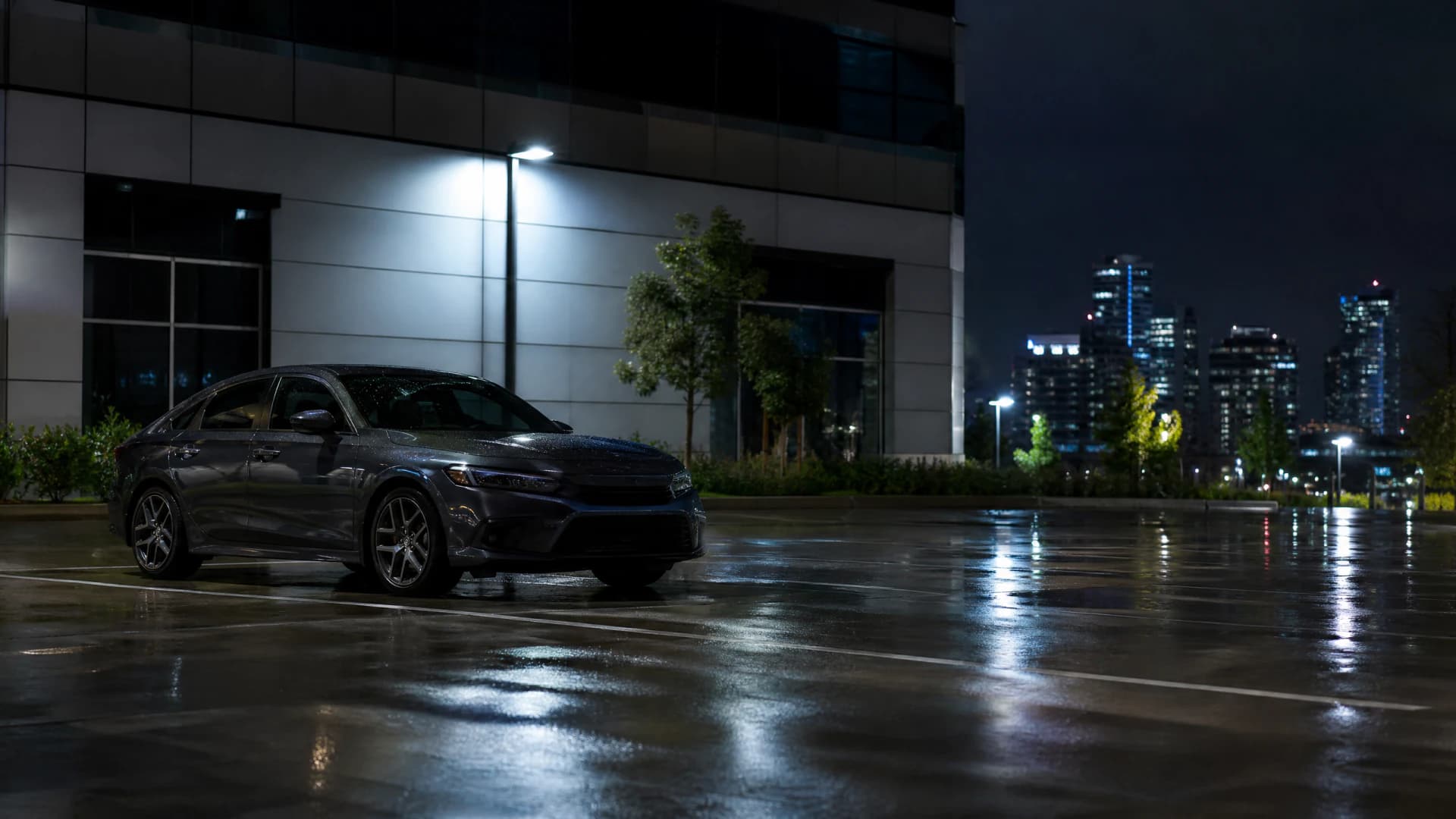
Washington's Ignition Interlock License requirement creates a structural problem: IID must be installed in the specific vehicle you drive, but non-owner policies don't attach to one car.


Filing Process and Required Documentation
Purchase a non-owner SR-22 policy from a Washington-licensed carrier. Geico, Progressive, Dairyland, Bristol West, The General, and National General write non-owner SR-22 in Washington. The carrier electronically files SR-22 certification with DOL immediately upon policy activation. You receive a paper SR-22 certificate within 3-5 business days as proof of filing.
DOL processes the SR-22 filing within 1-5 business days of receipt. Your suspension does not lift automatically when SR-22 is filed. You must complete all other reinstatement requirements: pay the $75 base reinstatement fee, complete any required DUI education or treatment programs, serve any mandatory hard suspension period, and submit proof of IID installation if applying for IIL. Only after DOL confirms all conditions are met does your driving privilege restore.
If your policy lapses or cancels during the required SR-22 period, the carrier notifies DOL electronically within 24 hours. DOL re-suspends your license immediately and the SR-22 clock resets. Washington requires SR-22 filing for three years from the reinstatement date for most DUI-related suspensions. Missing even one premium payment triggers the reset.
3 years
WA SR-22 Filing Period
Washington requires SR-22 insurance maintained for three years following DUI reinstatement, measured from the reinstatement date rather than the filing date. Policy lapses restart the three-year clock and trigger immediate re-suspension.
RCW 46.29.090 and Washington DOL reinstatement requirements
When Non-Owner SR-22 Works and When It Doesn't
Non-owner SR-22 is the correct pathway when you are serving a full suspension with no restricted driving privileges and need SR-22 on file to satisfy reinstatement conditions. It keeps you compliant during the suspension period without forcing you to insure a vehicle you don't drive. It also works for drivers who occasionally borrow vehicles after reinstatement and do not own a car.
Non-owner SR-22 does not work if you apply for IIL and need to drive during suspension. The IID installation requirement forces you into a single-vehicle scenario incompatible with the non-owner product structure. It also does not work if you live with a relative who owns a vehicle and allows you regular access: most carriers require you to be listed on the owner's standard policy rather than carrying separate non-owner coverage, because regular access to a household vehicle disqualifies you from non-owner eligibility under carrier underwriting rules.
Compare Non-Owner SR-22 Rates Now
Non-owner SR-22 premiums vary by carrier, age, violation type, and county. The $85–$140/mo range represents typical quotes for minimum liability non-owner SR-22 in Washington, but individual quotes may fall outside this range depending on your specific profile. Request quotes from at least three carriers writing non-owner SR-22 in Washington to identify the lowest available rate. Geico, Progressive, Dairyland, and The General consistently quote non-owner SR-22 for suspended-license drivers. Compare monthly premiums, SR-22 filing fees if charged separately, and each carrier's policy on grace periods before lapse notification to DOL.
How IIL Changes the Non-Owner SR-22 Pathway
The IIL pathway requires proof of IID installation from a DOL-approved provider before DOL issues the restricted license. The installation certificate must identify the specific vehicle by VIN. This creates a mismatch: non-owner SR-22 assumes you'll drive multiple borrowed vehicles interchangeably, but IID installation locks you to one specific car. You cannot install IID in a friend's car you borrow occasionally without that friend's consent and cooperation, and most vehicle owners will not allow permanent IID installation in their personal vehicle.
The practical resolution: if you qualify for IIL and plan to drive regularly, you need consistent access to one specific vehicle where IID can be installed. That vehicle must be insured, either by the owner or by you adding it to a standard SR-22 policy in your name. Non-owner SR-22 works for drivers who do not qualify for IIL or who are serving a full suspension period without restricted driving privileges. Once IIL enters the equation, the non-owner pathway collapses unless you have a dedicated IID-equipped vehicle available.
Get Your Free Quote
Get My Washington Suspended License Insurance QuoteFrequently Asked Questions
Can I get non-owner SR-22 insurance if I never plan to own a car?
Yes. Non-owner SR-22 is designed for drivers who do not own vehicles and need liability coverage when borrowing or renting cars. Washington accepts non-owner SR-22 to satisfy reinstatement filing requirements as long as you do not register a vehicle in your name during the required filing period.
Does non-owner SR-22 cover me if I borrow different cars from different people?
Yes. Non-owner SR-22 follows you as a driver rather than attaching to a specific vehicle, so it provides liability coverage regardless of which borrowed car you drive. The policy is secondary to the vehicle owner's coverage.
What happens if I buy a car while I have a non-owner SR-22 policy?
You must convert to a standard SR-22 policy attached to the vehicle title within the timeframe your carrier specifies, typically 30 days. Non-owner SR-22 does not cover vehicles you own or register, and driving an owned vehicle on a non-owner policy violates the policy terms and leaves you uninsured.
Can I get an Ignition Interlock License with non-owner SR-22 insurance?
No. Washington's IIL requirement under RCW 46.20.385 requires IID installation in the specific vehicle you will drive, identified by VIN on the DOL installation certificate. Non-owner SR-22 does not attach to one vehicle, creating a structural mismatch that disqualifies the non-owner pathway for IIL applicants.
How much does non-owner SR-22 insurance cost in Washington?
Non-owner SR-22 policies in Washington typically cost $85–$140 per month for minimum liability coverage. Rates vary by age, violation type, county, and carrier underwriting. Non-owner premiums are generally lower than standard SR-22 policies because they exclude collision and comprehensive coverage.
Will my non-owner SR-22 cover damage to the car I borrow?
No. Non-owner SR-22 provides liability coverage only, paying for injuries and property damage you cause to others. It does not cover damage to the vehicle you were driving or your own injuries. The vehicle owner's collision coverage would pay for damage to their car if applicable.