
Lowest SR-22 Rates in Washington — Filing Strategies
Free to compare
Why Washington SR-22 Rate Quotes Miss Your Actual Cost
You receive an SR-22 rate quote in Washington for $95 per month, then the carrier runs your full driving record and the quote jumps to $138. The delta is not random: Washington separates DOL-imposed administrative suspensions from court-ordered suspensions, and carriers underwrite these two suspension origins differently even when the underlying violation is identical. A DUI-triggered administrative suspension under RCW 46.20.308 (Implied Consent) enters your record as a DOL action, while the same DUI prosecuted through the courts enters as a conviction suspension — same violation, different suspension authority, different rate tier.
Most comparison tools aggregate Washington SR-22 rates into a single state average without distinguishing suspension origin. That produces quotes calibrated to the wrong underwriting pool. If your suspension originated with DOL rather than a court order, you need to identify carriers that tier administrative suspensions separately — and those carriers are not always the ones advertising the lowest statewide averages.
“Washington separates DOL administrative suspensions from court convictions, and carriers underwrite these two origins differently even when the violation is identical.”

Find a Washington Insurer That Will Cover You Now
Get My Washington Suspended License Insurance Quote$85–$140/mo
Washington SR-22 Premium Range
Monthly liability premium range for Washington drivers with an SR-22 filing requirement, based on suspension origin, violation type, and coverage tier. Administrative suspensions (DOL-imposed) typically qualify for the lower half of this range; court-ordered suspensions tier higher.
Carrier rate filings per Washington Office of the Insurance Commissioner, 2025
What Determines Your Washington SR-22 Rate Tier
Washington SR-22 rates are driven by three variables: suspension authority (DOL administrative vs court conviction), violation type (DUI, uninsured accident, points accumulation, or financial responsibility lapse), and prior filing history. Suspension authority is the variable most drivers miss. DOL administrative suspensions under the Implied Consent framework (test failure or refusal) trigger one underwriting path; court convictions for the same DUI trigger another. Carriers that write both will tier you differently depending on which authority issued your suspension.
Violation type layers on top of suspension authority. An uninsured accident suspension (RCW 46.29) that triggers DOL administrative action will tier lower than a DUI conviction suspension, even though both require SR-22. Points accumulation suspensions under RCW 46.20.291 rarely require SR-22 in Washington unless the points stem from uninsured or reckless driving violations — if your suspension is points-only without financial responsibility or DUI involvement, verify whether SR-22 is actually required before you pay for coverage you do not need.
Prior SR-22 filing history matters most for repeat filers. A second SR-22 requirement within five years moves you into the high-risk tier regardless of suspension origin. Carriers writing Washington SR-22 policies track your filing history through NAIC databases — if this is your second filing, expect quotes at the upper end of the range even if your current violation is less severe than your first.
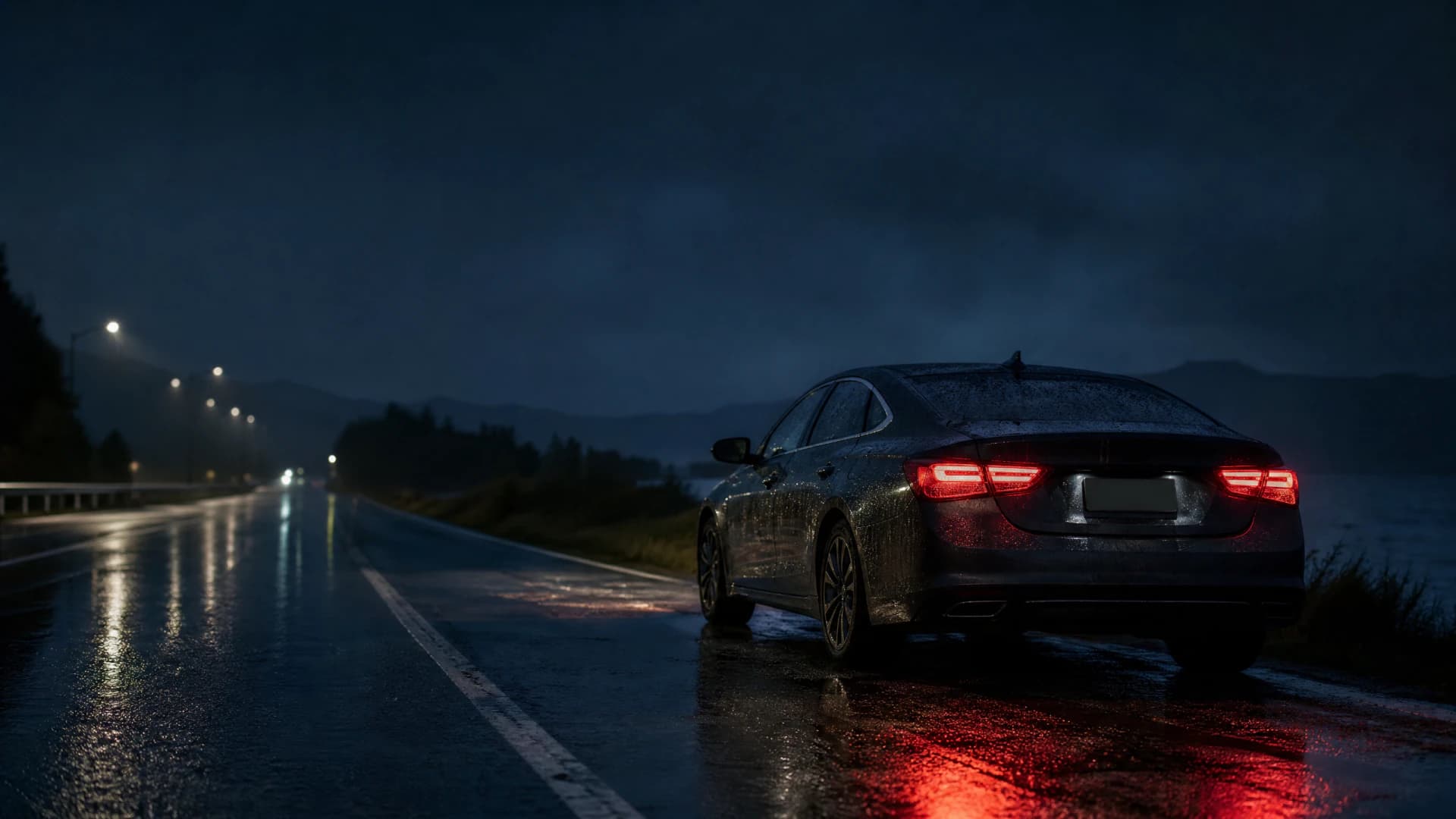
Washington DOL imposes suspensions administratively without court involvement for test failure, insurance lapses, and financial responsibility violations — these tier differently than convictions even when the underlying violation is identical.





How Washington's Three-Year Filing Period Affects Your Rate Path
Washington requires SR-22 filing for three years from the date your license is reinstated, not from the date of conviction or suspension. That timing distinction matters: if your suspension lasts one year and you wait six months after eligibility before reinstating, your three-year SR-22 clock does not start until reinstatement is complete. Carriers price SR-22 policies with the assumption that you will maintain filing for the full three-year period — lapsing coverage before the period ends triggers a new suspension under RCW 46.29.490 and restarts your filing requirement from zero.
Your rate will typically decrease at the 12-month and 24-month renewal points if you maintain continuous coverage without violations. Progressive and Geico both apply mid-term rate reductions for SR-22 filers who reach 12 months of clean filing history. Dairyland does not offer mid-term reductions but will re-tier you at the 24-month renewal if your record remains clean. State Farm removes the SR-22 surcharge entirely at 36 months if you have had no claims or violations during the filing period — but remember State Farm only writes first-time filers, so this benefit applies only if this is your first SR-22.
If you are currently suspended and weighing whether to pursue an Ignition Interlock License while serving your suspension, the IIL does not delay your SR-22 requirement. You still need SR-22 coverage to qualify for the IIL under RCW 46.20.385, and the three-year filing period still begins at reinstatement, not at IIL issuance. The IIL allows you to drive during suspension with an installed interlock device, but it does not shorten your SR-22 obligation.
3 years
Washington SR-22 Filing Duration
Mandatory filing period under RCW 46.29.490, measured from the date of license reinstatement, not from suspension start. Lapsing coverage before three years triggers a new suspension and restarts the clock.
RCW 46.29.490

Non-Owner SR-22: When You Don't Own a Vehicle
If you do not currently own a vehicle but need SR-22 to reinstate your Washington license, a non-owner SR-22 policy costs $35 to $65 per month — significantly lower than standard SR-22 liability coverage. Non-owner policies provide liability coverage when you drive a vehicle you do not own (borrowed or rented), and they satisfy Washington's SR-22 filing requirement without insuring a specific vehicle. Geico, Progressive, Dairyland, The General, and USAA all write non-owner SR-22 policies in Washington.
Non-owner SR-22 is the correct product if your suspension was triggered by an uninsured driving violation or a DUI in a vehicle you no longer own. It is not the correct product if you own a vehicle registered in your name — Washington requires vehicle-specific liability coverage when you own the car, even if you are not currently driving it. If you plan to purchase a vehicle during your SR-22 filing period, you will need to convert your non-owner policy to a standard policy and notify DOL of the coverage change within 30 days.
What to Do Right Now
Identify whether your Washington suspension originated through DOL administrative action or a court conviction — check your suspension notice or contact DOL at dol.wa.gov to confirm. Request quotes from at least three carriers that write your suspension type: Progressive and Geico for administrative suspensions, Dairyland or Bristol West if your suspension is court-ordered or you have been declined by standard carriers. If you do not own a vehicle, specify that you need a non-owner SR-22 policy when requesting quotes — the rate difference is substantial and most agents will default to standard coverage unless you ask.
Compare the total three-year cost, not just the monthly premium. A carrier quoting $95 per month with no mid-term rate reductions costs you $3,420 over three years; a carrier quoting $105 per month with a 12-month rate reduction to $85 costs you $3,240 total. Ask each carrier whether they apply rate reductions at 12 or 24 months for clean filing history, and factor that into your comparison. Once you select a carrier, confirm that they will file your SR-22 electronically with Washington DOL within 24 hours — some carriers batch filings weekly, which delays your reinstatement eligibility.
Which Washington Carriers Write Your Suspension Type
Progressive, Geico, and Dairyland write both administrative and court-ordered SR-22 suspensions in Washington. Progressive tiers administrative suspensions lower than conviction suspensions when the underlying violation is identical; Geico underwrites them as a unified pool. Dairyland specializes in high-risk and will quote both, but their rates for conviction suspensions run higher than their administrative suspension rates. State Farm writes SR-22 in Washington but restricts eligibility to drivers with one prior violation and no repeat filings within five years — if this is your second SR-22, State Farm will decline.
Bristol West and The General write non-standard SR-22 policies for court conviction suspensions but require broker placement rather than direct online quotes. If your suspension originated through a court order and you have been declined by standard carriers, Bristol West typically offers the lowest rates in the non-standard tier. National General writes Washington SR-22 but underwrites conservatively: they decline DUI conviction suspensions with BAC over 0.15% and any suspension involving an accident with injury. USAA writes SR-22 for eligible members (military affiliation required) and tiers administrative suspensions aggressively — if you qualify for USAA membership, request a quote before shopping the open market.
Get Your Free Quote
Get My Washington Suspended License Insurance QuoteFrequently Asked Questions
Does Washington require SR-22 for all license suspensions?
No. Washington requires SR-22 for DUI/DWI suspensions, uninsured driving violations, accidents without insurance, and financial responsibility lapses under RCW 46.29. Points-only suspensions and administrative suspensions for unpaid tickets or failure to appear typically do not require SR-22 unless they involve uninsured or reckless driving.
How much does SR-22 insurance cost per month in Washington?
Washington SR-22 liability coverage costs $85 to $140 per month depending on suspension origin, violation type, and prior filing history. Non-owner SR-22 policies cost $35 to $65 per month. Administrative suspensions typically tier lower than court conviction suspensions.
Can I get an Ignition Interlock License instead of waiting out my suspension?
Yes. Washington offers an Ignition Interlock License (IIL) under RCW 46.20.385 for DUI-related suspensions. You must install a DOL-approved ignition interlock device, maintain SR-22 insurance, and pay a $100 application fee. The IIL allows unrestricted driving in an IID-equipped vehicle but does not shorten your three-year SR-22 filing period.
What happens if my SR-22 coverage lapses before three years?
Your carrier is required to notify Washington DOL within 24 hours of any lapse or cancellation. DOL will suspend your license immediately under RCW 46.29.490, and you must file a new SR-22 and pay reinstatement fees to restore driving privileges. The three-year filing period restarts from zero.
Which Washington carriers offer the lowest SR-22 rates?
Progressive, Geico, and Dairyland consistently offer the lowest rates for Washington SR-22 filers. Progressive tiers administrative suspensions lower than court conviction suspensions. USAA offers competitive rates for eligible military members. Bristol West and The General write non-standard policies for high-risk suspensions declined by other carriers.
Do I need SR-22 if I don't own a car in Washington?
Yes, if your suspension requires SR-22 filing for reinstatement. You need a non-owner SR-22 policy, which costs $35 to $65 per month and provides liability coverage when you drive a vehicle you do not own. Geico, Progressive, Dairyland, The General, and USAA all write non-owner SR-22 in Washington.