Non-Owner SR-22 Insurance — Washington
Free to compare
The No-Car SR-22 Problem Washington Drivers Face
Your license was suspended for DUI, uninsured driving, or accumulated violations. Washington Department of Licensing says you need SR-22 insurance to reinstate. You sold your car during the suspension or never owned one to begin with. Every carrier you call asks for your vehicle information and you have nothing to give them.
This procedural dead-end stops thousands of Washington drivers every year. The solution exists but most don't know to ask for it by name: a non-owner SR-22 policy. It meets DOL's SR-22 filing requirement without requiring you to own, lease, or regularly drive a specific vehicle. Carriers write these policies specifically for suspended drivers in your position, and they cost significantly less than standard auto coverage because they insure only you as a driver, not a car.
“Non-owner SR-22 costs less than standard auto coverage because it insures only you as a driver, not a vehicle — but it meets the same DOL filing requirement.”
Find a Washington Insurer That Will Cover You Now
Get My Washington Suspended License Insurance Quote$25–$45/mo
Non-Owner SR-22 Premium
Typical Washington non-owner SR-22 premium for a driver with one DUI or violation. Standard auto SR-22 policies covering a vehicle run $110–$180/mo in the same risk profile. Non-owner costs less because liability-only coverage applies only when you drive a borrowed or rental vehicle.
Industry rate estimates, 2025
What Non-Owner SR-22 Actually Covers
A non-owner SR-22 policy provides liability coverage when you drive a vehicle you do not own. It meets Washington's minimum liability requirement of 25/50/10: $25,000 bodily injury per person, $50,000 per accident, $10,000 property damage. The carrier files SR-22 proof of financial responsibility with Washington DOL electronically, satisfying your reinstatement condition.
The policy does not cover a vehicle you own, lease, or have regular access to. It covers only borrowed cars, rental vehicles, or occasional use of someone else's car. If you later buy a vehicle, you must switch to a standard auto policy or your non-owner coverage will not pay claims on that vehicle.
Non-owner policies exclude collision and comprehensive coverage because there is no insured vehicle. If you wreck a borrowed car, your non-owner liability policy pays for the other driver's injuries and property damage up to your limits. The owner's collision coverage (if they carry it) pays for damage to the car you borrowed. You remain personally liable for any gap between the owner's coverage and actual repair costs.
Washington DOL will not reinstate your license until the SR-22 filing posts to their system. Most carriers file electronically within 24 hours, but paper filings can take 5–10 business days.

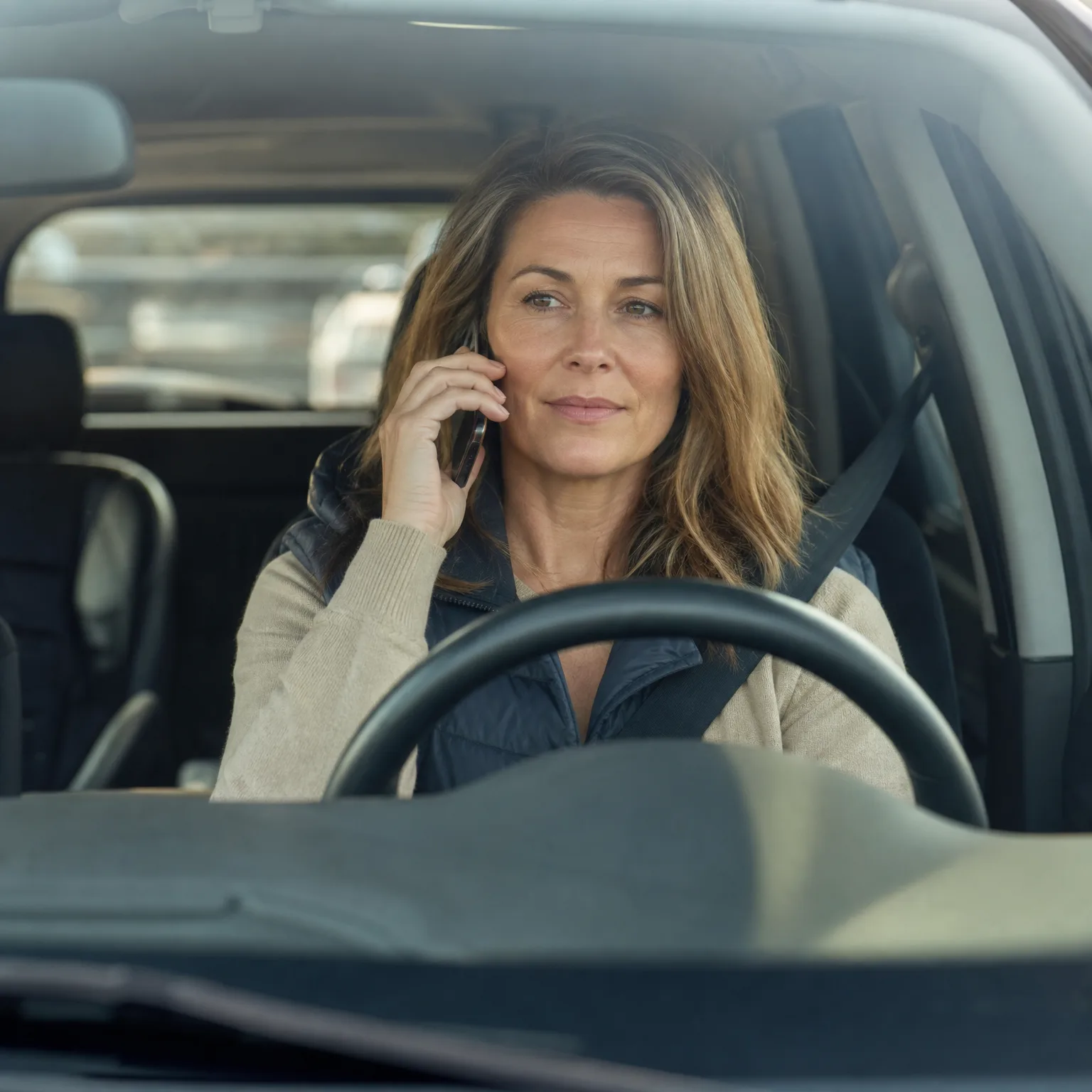
Non-Owner SR-22 and Washington Ignition Interlock License
Washington replaced traditional hardship licenses with the Ignition Interlock License system under RCW 46.20.385. If your suspension stems from DUI, you can apply for an IIL immediately in most cases, allowing you to drive any vehicle equipped with a DOL-approved ignition interlock device. The IIL application requires proof of SR-22 insurance, an installed IID from an approved provider, and a $100 application fee.
Here's the friction point: IIL holders need access to an IID-equipped vehicle to use the license. If you don't own a car, you must either install an IID in a vehicle you borrow regularly (with the owner's written consent and financial agreement covering monthly IID lease costs of $70–$100), or rent from an IID-equipped rental program. Non-owner SR-22 covers your liability when driving that borrowed or rented IID vehicle, but it does not pay for IID installation, monthly monitoring fees, or rental vehicle costs.
Non-DUI suspensions (points, unpaid tickets, lapsed insurance, failure to appear) do not qualify for IIL in Washington. Those triggers have no hardship license pathway — you must serve the full suspension period or meet reinstatement conditions including SR-22 filing before DOL restores full driving privileges. Non-owner SR-22 satisfies the insurance filing requirement but does not allow you to drive legally during the suspension unless an IIL is available and approved for your specific case.
3 years
Washington SR-22 Duration
Washington requires SR-22 filing for 3 years after reinstatement for DUI and most financial responsibility violations. The 3-year period starts when DOL reinstates your license, not when you first buy the policy. If your policy lapses or cancels before 3 years, DOL re-suspends your license and you start over.
RCW 46.29.090
What Happens If Your Non-Owner Policy Lapses
Washington law requires continuous SR-22 coverage for the full 3-year filing period. If your non-owner policy cancels for non-payment or you voluntarily drop it, the carrier notifies Washington DOL electronically within 10 days. DOL immediately re-suspends your license. You cannot simply reinstate the old policy — you must purchase new coverage, pay a new SR-22 filing fee (typically $25–$50 depending on carrier), wait for the new filing to post, and pay DOL's reinstatement fee again ($75 base fee plus any cause-specific fees stacked on top).
Autopay prevents most lapses. Set up automatic monthly payments from a checking account or card that won't decline. If you know you need to change payment methods or switch carriers, do it before the old policy cancels. The new carrier can file SR-22 immediately upon binding coverage, but any gap between cancellation and new filing triggers DOL suspension. Even a one-day lapse restarts your 3-year clock and adds reinstatement costs you already paid once.
Compare Non-Owner SR-22 Carriers Right Now
Non-owner SR-22 premiums vary by carrier based on your violation type, how long ago it occurred, and whether you have prior SR-22 filing history. Progressive and Geico typically quote $30–$50/mo for first-offense DUI drivers with clean records before the suspension. The General and Dairyland quote higher-risk profiles Progressive declines, often in the $50–$75/mo range for drivers with multiple violations or recent at-fault accidents stacked on the SR-22 requirement. Bristol West writes the toughest cases but prices reflect that risk tier.
Request quotes from at least three carriers writing non-owner SR-22 in Washington. Ask each how quickly they file SR-22 electronically and confirm they report to Washington DOL, not just issue a paper certificate. The cheapest premium means nothing if the carrier delays filing or requires manual processing that pushes your reinstatement back two weeks. Get the policy bound, confirm electronic filing within 24 hours, and verify DOL received it before you schedule your reinstatement appointment or pay reinstatement fees.
How to Get Non-Owner SR-22 Coverage Fast
Start with carriers writing non-standard and SR-22 business in Washington. Progressive and Geico quote non-owner policies online; The General, Dairyland, and Bristol West require phone or broker contact but often approve same-day coverage for non-owner applicants. Provide your license number, suspension cause, violation dates, and current address. The carrier runs your motor vehicle record and quotes based on your driving history, not a vehicle's value or age.
Once approved, pay the first month's premium and request immediate SR-22 filing. Ask the agent to confirm electronic filing with Washington DOL — this posts within 24 hours in most cases. Paper SR-22 certificates take longer and delay your reinstatement. You can verify the filing posted by calling DOL at 360-902-3900 or checking your online driver record at dol.wa.gov after 48 hours. Do not visit DOL for reinstatement until the SR-22 filing shows active in their system.
Get Your Free Quote
Get My Washington Suspended License Insurance QuoteFrequently Asked Questions
Can I get SR-22 insurance in Washington without owning a car?
Yes. Non-owner SR-22 policies exist specifically for drivers who need SR-22 filing but do not own a vehicle. Carriers like Progressive, Geico, The General, and Dairyland write non-owner policies in Washington and file SR-22 electronically with DOL. The policy covers you when driving borrowed or rental vehicles.
How much does non-owner SR-22 insurance cost in Washington?
Non-owner SR-22 policies in Washington typically cost $25–$45/mo for drivers with one DUI or violation. Higher-risk profiles with multiple violations may pay $50–$75/mo. This is significantly cheaper than standard auto SR-22 coverage ($110–$180/mo) because non-owner policies provide liability-only coverage with no vehicle to insure.
How long does it take to get SR-22 filed with Washington DOL?
Most carriers file SR-22 electronically with Washington DOL within 24 hours of binding coverage. Paper SR-22 certificates can take 5–10 business days to process. You can verify the filing posted by calling DOL at 360-902-3900 or checking your online driver record at dol.wa.gov 48 hours after purchase.
Do I need a car to get an Ignition Interlock License in Washington?
No, but you need regular access to a vehicle equipped with a DOL-approved ignition interlock device to use the IIL. You can install an IID in a borrowed vehicle with the owner's consent or rent from an IID-equipped rental program. Non-owner SR-22 covers your liability when driving that vehicle, but does not pay for IID installation or monthly monitoring fees.
What happens if my non-owner SR-22 policy cancels in Washington?
Washington DOL re-suspends your license immediately when your carrier reports the cancellation. You must buy new coverage, pay a new SR-22 filing fee, wait for the new filing to post, and pay DOL's $75 reinstatement fee again. Even a one-day coverage gap restarts your 3-year SR-22 requirement from the new reinstatement date.
Does non-owner SR-22 cover me if I borrow someone's car in Washington?
Yes. Non-owner SR-22 provides liability coverage when you drive a borrowed or rental vehicle. It pays for the other driver's injuries and property damage up to your policy limits if you cause an accident. It does not cover damage to the car you borrowed — the owner's collision coverage pays for that if they carry it.
Can I switch from non-owner SR-22 to regular auto insurance in Washington?
Yes. When you buy a vehicle, contact your carrier to switch from non-owner to standard auto coverage. The carrier will cancel the non-owner policy, bind the new auto policy covering your vehicle, and transfer the SR-22 filing to the new policy without interruption. Any coverage gap between policies triggers DOL suspension, so coordinate the switch carefully.