
Suspended License Insurance for Out-of-State Drivers — Washington
Free to compare
When Two States Share Your Suspension
You received a ticket or DUI arrest while traveling through Washington. Weeks later, your home state suspended your license based on Washington's conviction report. Now you face two separate licensing agencies with two separate reinstatement processes, and no one at either DMV can tell you definitively whether you need SR-22 insurance in Washington, your home state, or both.
This article walks the specific structural reality out-of-state drivers face when Washington suspends their license. Washington's Department of Licensing (DOL) operates under the Driver License Compact, which requires conviction reporting to your home state. Most states honor that suspension immediately, creating a dual-track reinstatement process where satisfying Washington alone does not restore your home-state driving privileges.
“Reinstating in Washington does not reinstate your home-state license — each state runs a separate track with separate fees and separate SR-22 requirements.”

Find a Washington Insurer That Will Cover You Now
Get My Washington Suspended License Insurance Quote$100
Washington Ignition Interlock License Fee
Washington charges $100 for the Ignition Interlock License (IIL) application, separate from your home state's hardship or reinstatement fees. Out-of-state drivers approved for an IIL must pay Washington's fee even if they never plan to drive in Washington again.
Washington DOL fee schedule, RCW 46.20.385
What Washington Reports to Your Home State
Washington participates in the Driver License Compact and the Non-Resident Violator Compact. When you receive a conviction for DUI, reckless driving, excessive speed, or other qualifying violations, Washington DOL electronically transmits that conviction to your home state's licensing agency within 10 business days. Your home state receives the conviction type, date, and disposition.
Your home state then applies its own point system and suspension thresholds to the Washington conviction as if it occurred at home. A Washington DUI triggers your home state's DUI suspension rules. A Washington reckless driving charge accrues points under your home state's schedule. The two states do not coordinate suspension periods or reinstatement requirements; each runs its own process independently.
This means satisfying Washington's reinstatement conditions does not automatically restore your home-state license. Washington may lift its hold after you complete DUI treatment and install an ignition interlock device, but your home state maintains its own suspension until you satisfy its separate reinstatement checklist.
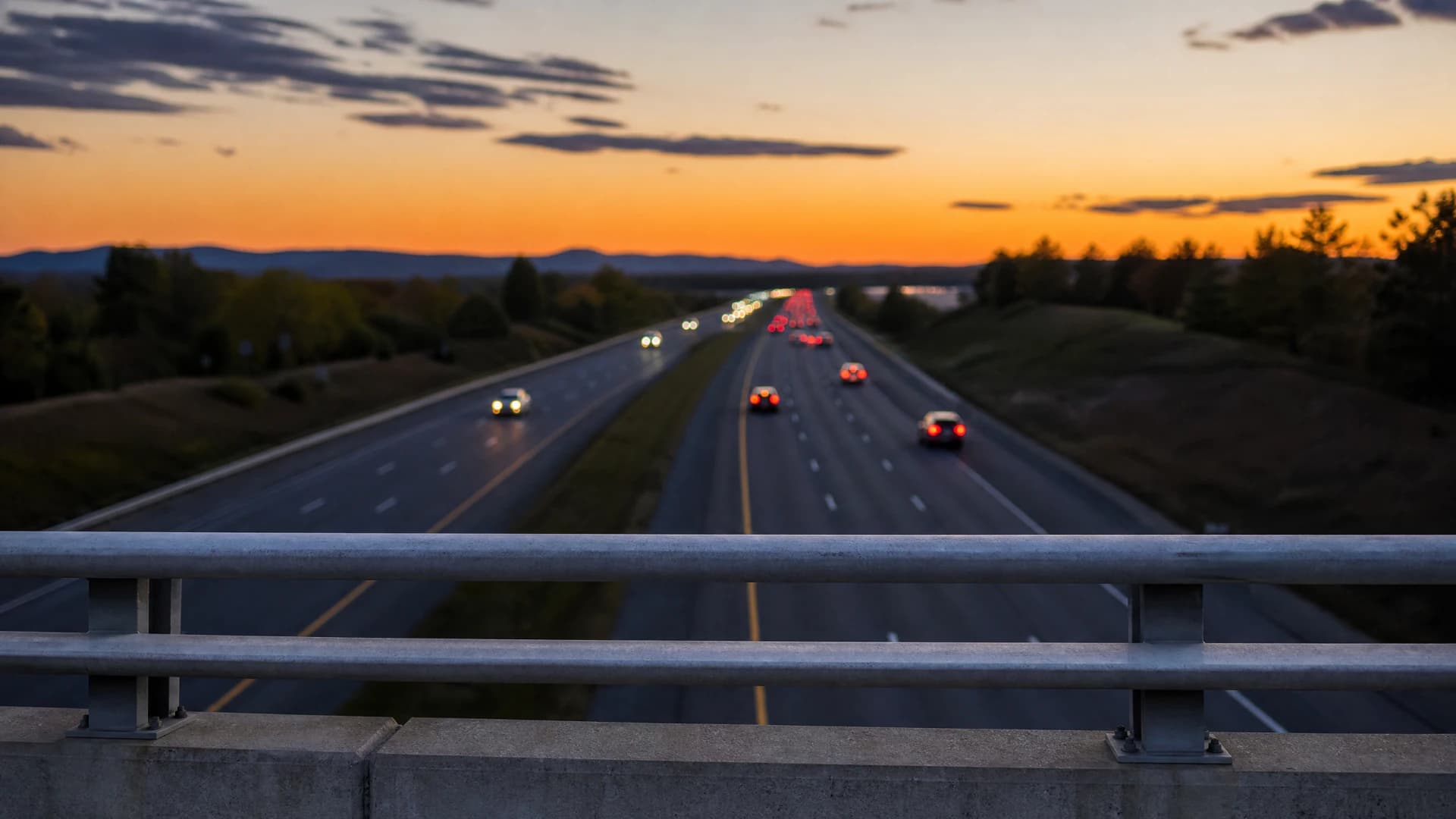
Reinstating in Washington does not reinstate your home-state license. Each state runs a separate track with separate fees, separate SR-22 requirements, and separate timelines.

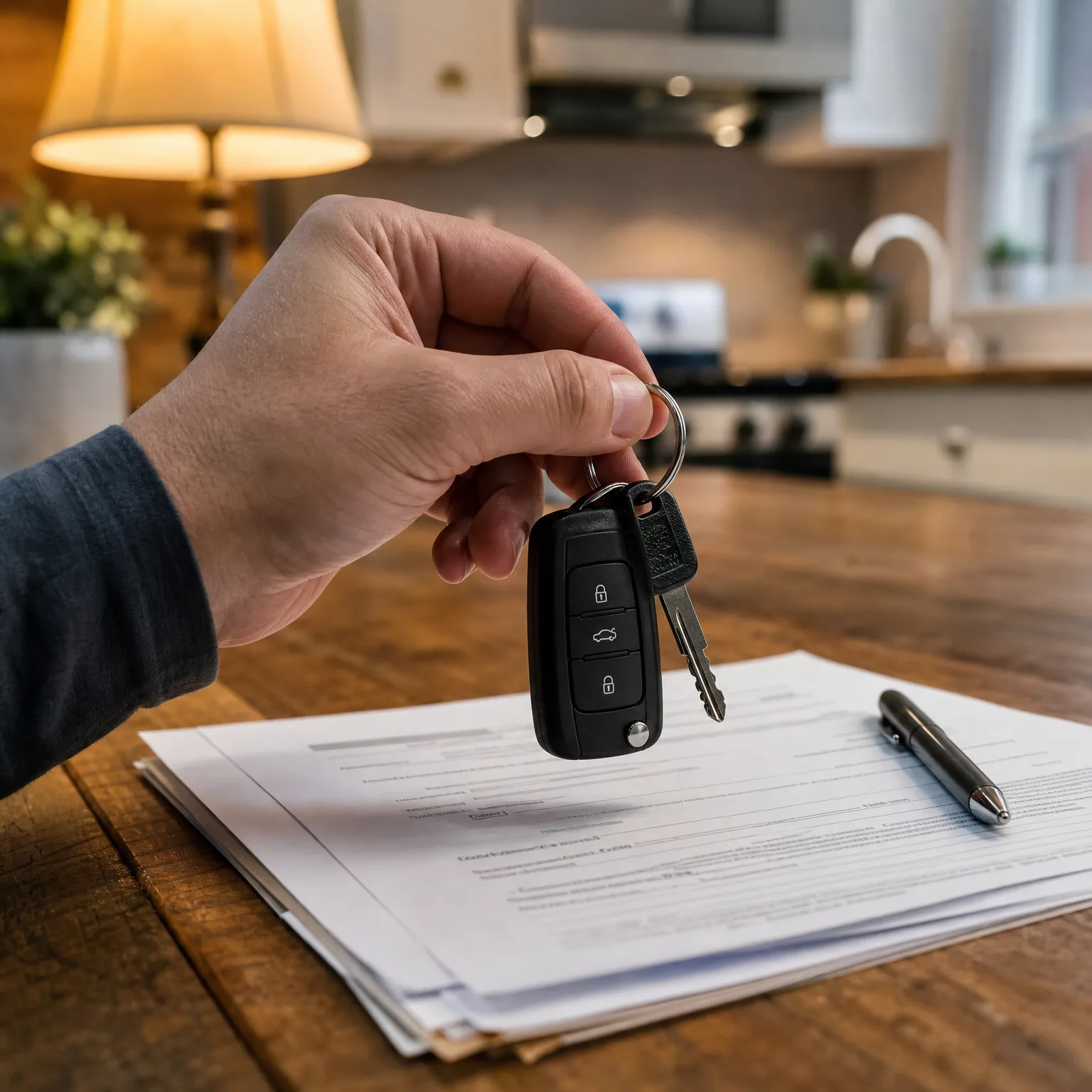
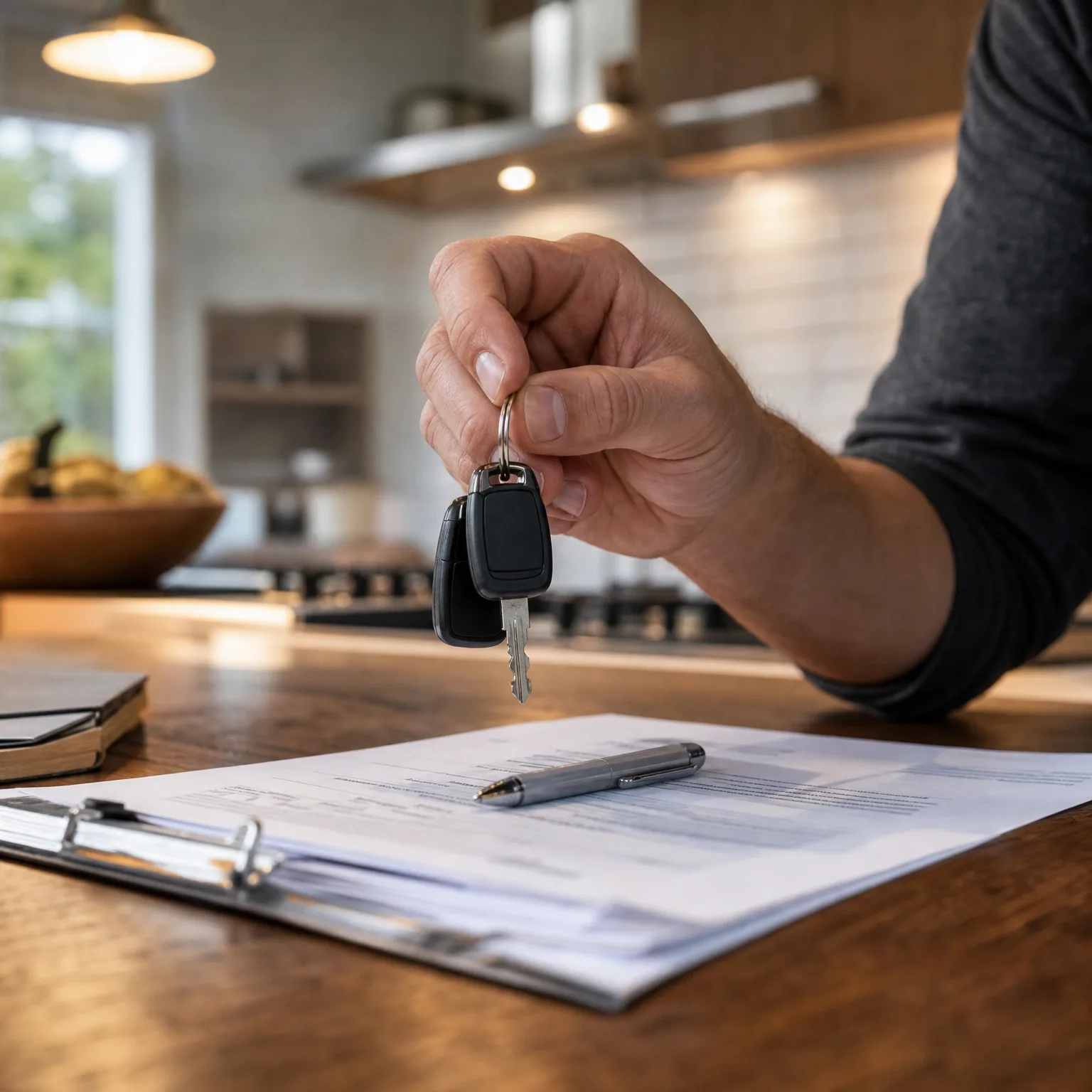
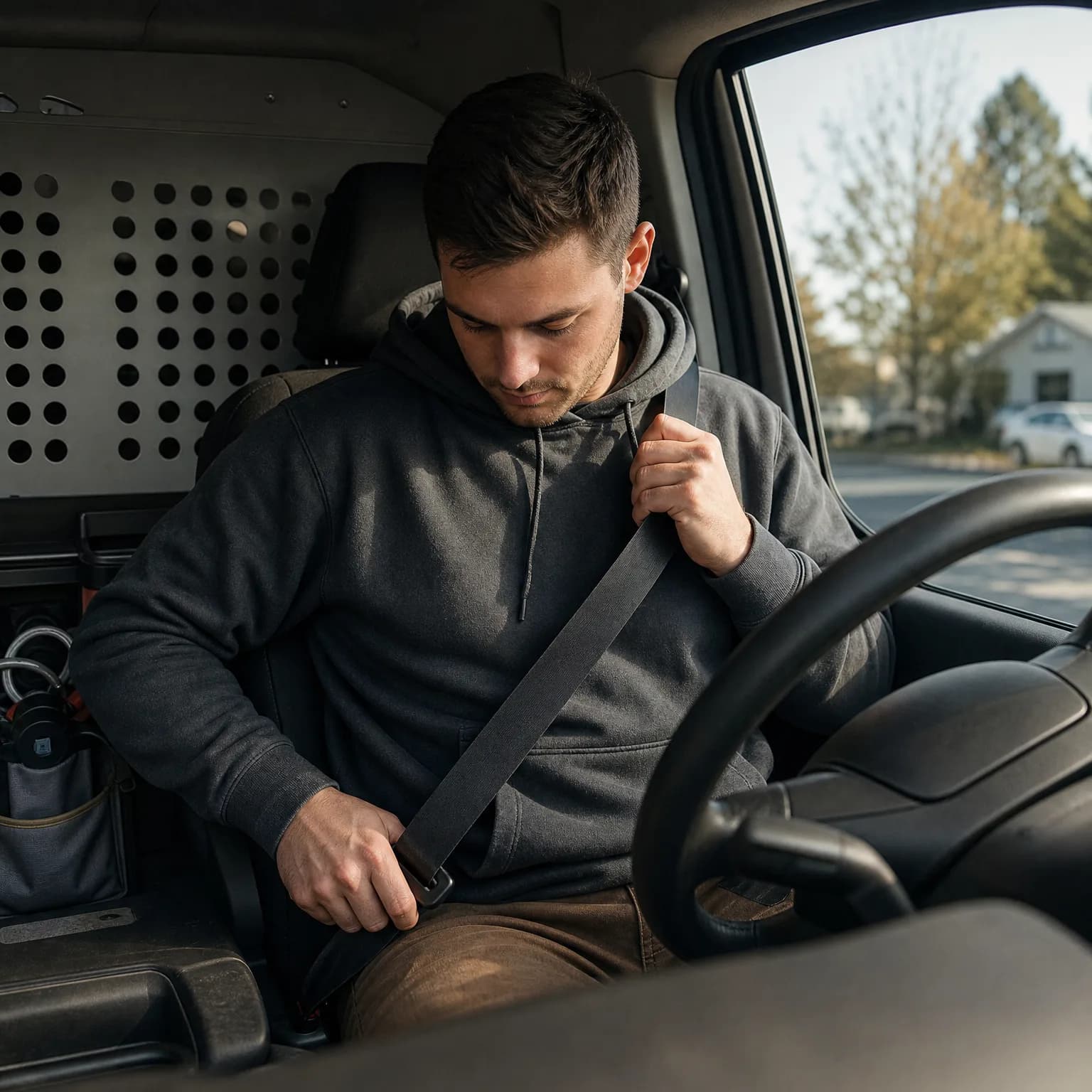
The Ignition Interlock License Path for Non-Residents
Washington replaced traditional hardship licenses with the Ignition Interlock License (IIL) program under RCW 46.20.385. The IIL allows unrestricted driving in Washington in any vehicle equipped with a DOL-approved ignition interlock device. No route restrictions, no time-of-day limits, but the IID requirement is absolute.
Out-of-state drivers can apply for a Washington IIL even if they hold a license in another state. The application requires proof of IID installation by a DOL-approved provider, SR-22 insurance filing with Washington DOL, payment of the $100 application fee, and no other disqualifying suspensions. The IIL does not authorize driving outside Washington and does not satisfy your home state's hardship or restricted license requirements.
Most out-of-state drivers do not pursue a Washington IIL because it only authorizes driving within Washington borders. If you live in Oregon, California, Idaho, or any other state, the IIL does not let you drive at home. You need your home state's hardship license for that, which requires a separate application, separate fees, and separate documentation. The IIL is relevant only if you need to drive in Washington during your suspension for work, family care, or other recurring commitments.
Violating IIL terms triggers automatic revocation. Driving a vehicle without an installed IID, tampering with the device, or failing monthly calibration appointments revokes the IIL and extends your suspension period. Washington DOL shares IIL violations with your home state under the Driver License Compact, potentially triggering additional penalties at home.
3 years
Washington SR-22 Filing Duration
Washington requires SR-22 insurance maintained for three years after reinstatement for DUI and most uninsured-driving suspensions. The clock starts on your reinstatement date, not your conviction date. Allowing the SR-22 to lapse during the three-year period triggers immediate re-suspension.
RCW 46.29.490
Reinstatement Fees Stack Across Both States
Washington charges a $75 base reinstatement fee for most suspension types, paid to Washington DOL when you satisfy all reinstatement conditions. This fee is separate from your home state's reinstatement fee, which you pay when reinstating your home-state license. The two fees do not offset each other.
If you apply for a Washington IIL, the $100 IIL application fee is separate from the $75 reinstatement fee. You pay the $100 when applying for the IIL and the $75 when lifting the underlying suspension after completing your suspension period and DUI treatment requirements. Out-of-state drivers pursuing both Washington IIL and home-state hardship licenses face application fees in both states with no reciprocity.
Finding Coverage That Files in Both States
Not all carriers write policies that satisfy dual-state SR-22 requirements under a single contract. Carriers licensed in Washington and your home state can sometimes issue one policy with filings submitted to both DOLs, but this depends on the carrier's underwriting footprint and state-specific filing systems.
Geico, Progressive, and Dairyland write non-owner SR-22 policies in Washington and maintain licensing in most western states, making them strong candidates for dual-state filings. Bristol West and The General specialize in high-risk and SR-22 placements but may require separate policies per state depending on your home state's filing format. State Farm writes SR-22 in Washington but does not write non-owner policies in all states, limiting its usefulness for out-of-state drivers without a vehicle.
When comparing carriers, confirm that the policy explicitly files SR-22 certificates with both Washington DOL and your home state's licensing agency. Ask whether the carrier charges one filing fee or two, and whether the policy premium reflects dual-state coverage or requires two separate contracts. Some carriers file in both states under one policy at a single premium; others require two policies with separate premiums and separate billing cycles.
Which State Requires SR-22 Filing
If Washington suspended your license for DUI, uninsured driving, or certain reckless driving convictions, Washington DOL requires SR-22 filing for reinstatement. The SR-22 must be filed with Washington DOL by a carrier licensed to write in Washington, maintained for three years from the reinstatement date. Out-of-state residents reinstating a Washington suspension need a Washington SR-22 even if they do not plan to drive in Washington again.
Your home state applies its own SR-22 rules to the same conviction. If your home state requires SR-22 for DUI or reckless driving, you need a second SR-22 filing with your home state's licensing agency. The two filings are separate policies with separate carriers, separate filing fees, and separate duration requirements. Some carriers write policies that satisfy both states under a single contract; most require two separate policies. Confirm with your carrier whether the policy filed in Washington also satisfies your home state's requirement before assuming one filing covers both.
Get Your Free Quote
Get My Washington Suspended License Insurance QuoteFrequently Asked Questions
Do I need SR-22 in Washington if I don't live there?
Yes, if Washington suspended your license for DUI, uninsured driving, or certain reckless driving convictions. Washington DOL requires SR-22 filing for reinstatement regardless of your residency. The SR-22 must be filed by a carrier licensed in Washington and maintained for three years from your reinstatement date.
Can one SR-22 policy satisfy both Washington and my home state?
Sometimes. Carriers licensed in both states can issue one policy with SR-22 certificates filed to both DOLs, but this depends on the carrier's underwriting footprint. Confirm with the carrier that the policy explicitly files in both states before assuming one policy covers both requirements.
Does a Washington Ignition Interlock License let me drive in my home state?
No. The Washington IIL only authorizes driving within Washington borders in IID-equipped vehicles. It does not satisfy your home state's hardship or restricted license requirements. You need your home state's hardship license to drive at home during suspension.
How long does Washington's SR-22 requirement last for out-of-state drivers?
Three years from your reinstatement date for DUI and most uninsured-driving suspensions. The clock starts when Washington DOL lifts the suspension, not when the conviction occurred. Allowing the SR-22 to lapse during the three-year period triggers immediate re-suspension.
What happens if I reinstate in Washington but not my home state?
Your home state's suspension remains in effect. Satisfying Washington's reinstatement conditions lifts Washington's hold but does not restore your home-state driving privileges. You must complete your home state's separate reinstatement process, pay its fees, and meet its SR-22 or other requirements before your home-state license is valid again.
Do I pay Washington's reinstatement fee if I don't live there?
Yes. Washington charges a $75 base reinstatement fee to all drivers whose licenses it suspended, regardless of residency. If you apply for an Ignition Interlock License, you also pay the $100 IIL application fee. These fees are separate from your home state's reinstatement fees.