
Cheapest Insurance After Reckless Driving — Washington
Free to compare
The Post-Conviction Rate Shock
Your reckless driving conviction closed two weeks ago and your current carrier just sent a renewal notice at $287/month—up from $94. You called three standard carriers and none quoted under $220. The sticker shock feels punitive, but the structural issue is simpler: you're shopping in the wrong market tier.
Washington requires continuous SR-22 filing for 3 years after reckless driving convictions under RCW 46.29. Standard carriers (State Farm, Allstate, Farmers) price high-risk drivers out of their book intentionally—they want you to leave. Non-standard carriers (Bristol West, Dairyland, The General, National General) built entire underwriting models around post-violation drivers and quote 30–50% lower because that's their core business, not an exception they tolerate.
“Non-standard carriers built entire underwriting models around post-violation drivers and quote 30–50% lower because that's their core business, not an exception they tolerate.”

Find a Washington Insurer That Will Cover You Now
Get My Washington Suspended License Insurance Quote$95–$155/mo
Non-Standard Carrier SR-22 Range
Bristol West, Dairyland, and National General quote Washington reckless-driving SR-22 policies in this range for liability-only coverage with state minimums (25/50/10). Standard carriers quote the same driver $180–$240/mo for identical coverage because their actuarial models penalize major violations more heavily.
Carrier rate filings, Washington Department of Licensing SR-22 requirements
Why Standard Carriers Price You Out
Standard-market carriers use tiered underwriting where major violations move you into their highest-risk tier. That tier exists not to serve you profitably but to make you leave voluntarily. The premium reflects "we don't want this business" pricing. Reckless driving counts as a major violation—same tier as DUI in most carrier models—so the rate multiplier is severe.
Non-standard carriers invert this logic. Their entire book is high-risk drivers. A reckless conviction doesn't move you into an exception tier; it's the baseline they underwrite for. Because their loss ratios already assume violation history, the premium spread between a reckless driver and their average policyholder is narrow. You're not an outlier. You're the center of the distribution.
The Washington SR-22 filing requirement doesn't change between carrier tiers—all carriers file the same SR-22 certificate with DOL, and all maintain it for the same 3-year period. The only variable is the premium attached to that filing. Standard carriers charge you for being in the wrong book. Non-standard carriers don't.
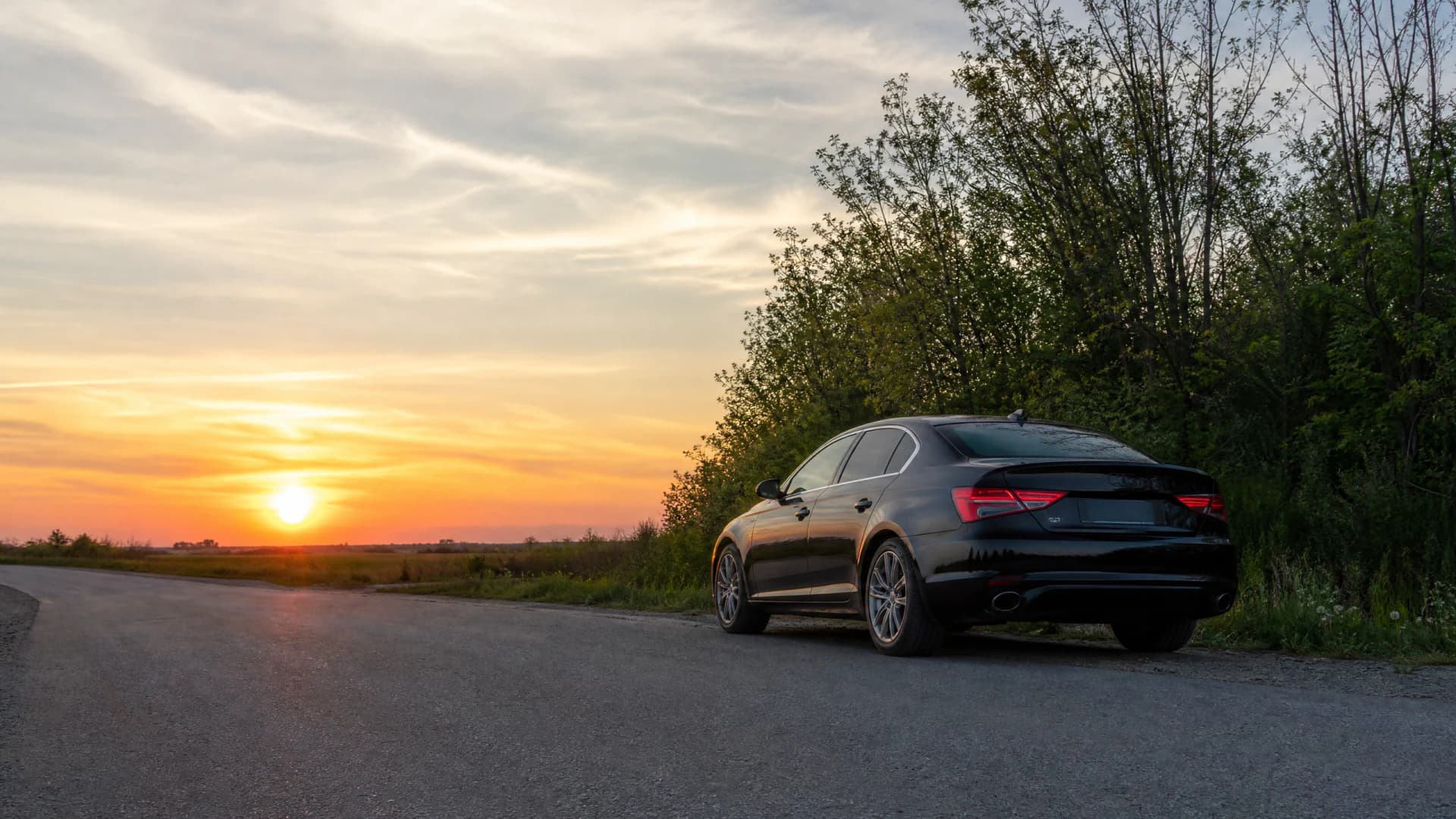
Standard-market carriers intentionally price reckless drivers out of their book. You're not being quoted fairly—you're being quoted out.




Coverage Strategy After Reckless Conviction
Washington requires 25/50/10 liability minimums: $25,000 bodily injury per person, $50,000 per accident, $10,000 property damage. That's the floor DOL accepts for SR-22 compliance. Buying above minimums while carrying SR-22 makes sense only if you have assets a lawsuit could reach. If you rent, have no savings, and drive an older vehicle, liability-only at state minimums keeps your premium in the $95–$155 range.
Collision and comprehensive coverage on a financed vehicle will push your premium into $200–$280/mo range even with non-standard carriers. If your car is worth under $4,000, collision coverage rarely pays out more than the deductible after depreciation. Dropping it and banking the premium difference ($80–$120/mo over 3 years = $2,880–$4,320 saved) often makes more financial sense than protecting a low-value asset.
SR-22 filing itself costs $25–$50 depending on carrier. That's a one-time filing fee, not annual. The 3-year requirement means your carrier maintains the certificate with DOL for 36 months. If you switch carriers mid-filing period, the new carrier files a new SR-22 and the clock continues—it doesn't reset. Letting coverage lapse triggers an SR-22 cancellation notice to DOL, which suspends your license until you refile. Continuous coverage for the full 3 years is non-negotiable.
3 years
Washington SR-22 Filing Period
RCW 46.29 mandates continuous SR-22 proof of insurance for 3 years following reckless driving convictions. The period runs from your conviction date, not your filing date. If you delay filing by 6 months, you still owe 3 years from conviction—so the total time you'll carry coverage is 3.5 years. Early filing shortens your total obligation.
RCW 46.29, Washington Department of Licensing

Quote Timing and Filing Coordination
Non-standard carriers typically issue quotes within 24–48 hours but require underwriting approval before binding coverage. That approval step adds 1–3 business days. If your current policy cancels in 10 days, start quoting now—not the day before cancellation. A lapse triggers immediate SR-22 cancellation and license suspension, and Washington DOL does not grant grace periods for "my new policy is processing."
When you bind a new policy, the carrier files SR-22 electronically with DOL within 1–2 business days. DOL processing adds another 3–5 days before the filing shows active in their system. If you're switching carriers to save money, overlap coverage by 7 days minimum to avoid any gap that triggers suspension. Pay for one week of double coverage rather than risking a lapse that costs you $150 reinstatement fee plus restarting your 3-year clock.
Compare Rates Before Your Current Policy Renews
Your current carrier's renewal rate reflects their standard-market pricing model, which penalizes reckless convictions heavily. That rate will not improve until the conviction ages off your record (3 years in Washington for rating purposes, separate from the SR-22 filing period). Waiting for your rate to drop with your current carrier means paying $80–$120/mo more than necessary for 36 months—a $2,880–$4,320 total overpay.
Non-standard carriers quote based on your current violation status, not your pre-conviction history. Moving to Bristol West, Dairyland, National General, or The General within 30 days of your reckless conviction locks in their pricing model for the duration of your SR-22 period. Rates will decrease slightly each year as the conviction ages, but the initial tier assignment matters more than annual decreases. Start in the right tier now rather than transferring later after overpaying.
Non-Standard Carriers Licensed in Washington
Bristol West operates in Washington as a Farmers subsidiary specializing in non-standard auto. They quote online but route high-risk drivers through brokers for underwriting approval. SR-22 filing is included at no separate fee; the premium incorporates filing cost. Typical range for liability-only reckless SR-22: $110–$160/mo. Bristol West allows monthly EFT payment without installment fees, which matters when you're managing tight cash flow for 3 years.
Dairyland writes in 38 states including Washington and focuses exclusively on high-risk and SR-22 business. Online quoting available. They often beat Bristol West by $15–$25/mo on identical coverage because their book is entirely non-standard—no cross-subsidy from preferred-tier policies. Dairyland charges a $25 SR-22 filing fee upfront, then incorporates ongoing filing into the premium. The General and National General (separate companies despite names) both write Washington SR-22 policies with similar pricing to Dairyland. National General averages slightly lower; The General offers more flexible payment plans.
Get Your Free Quote
Get My Washington Suspended License Insurance QuoteFrequently Asked Questions
Does SR-22 filing cost extra in Washington?
SR-22 filing fees range from $25–$50 as a one-time charge when your carrier submits the certificate to Washington DOL. This fee is separate from your premium. Some carriers (Bristol West) include filing cost in the premium with no separate line item; others (Dairyland) charge it upfront. The 3-year filing period does not require annual refiling fees—your carrier maintains the certificate continuously.
Can I switch carriers during my SR-22 period?
Yes. Washington allows you to switch carriers mid-filing without penalty. Your new carrier files a replacement SR-22 with DOL, and your 3-year clock continues from your original conviction date—it does not reset. The critical rule: overlap coverage by at least 7 days when switching to avoid any lapse. A gap triggers SR-22 cancellation, immediate license suspension, and a $75 reinstatement fee.
Will my rate drop after 3 years when SR-22 ends?
Your rate will drop when the reckless conviction ages off your driving record for rating purposes, which is 3 years in Washington. This timing coincides with your SR-22 period ending. Expect a 20–35% premium decrease when you re-quote as a standard-risk driver, assuming no new violations. The drop is larger if you move back to a standard carrier (State Farm, Allstate) after your violation clears.
Do I need SR-22 if I don't own a car?
Washington requires proof of financial responsibility after reckless convictions regardless of vehicle ownership. If you don't own a car, you need a non-owner SR-22 policy. Non-owner policies provide liability coverage when you drive borrowed or rental vehicles and satisfy DOL's SR-22 filing requirement. Bristol West, Dairyland, Progressive, Geico, and USAA all write non-owner SR-22 in Washington. Typical cost: $45–$75/mo.
What happens if I let my SR-22 policy lapse?
Your carrier notifies Washington DOL within 24 hours of cancellation or lapse. DOL suspends your license immediately—no grace period. To reinstate, you must purchase new coverage, file a new SR-22, pay a $75 reinstatement fee, and restart your 3-year SR-22 period from the new filing date. A single lapse can add 6–12 months to your total filing obligation depending on how quickly you refile.
Can I get an Ignition Interlock License instead of SR-22?
No. Washington's Ignition Interlock License (IIL) applies only to DUI-related suspensions under RCW 46.20.385. Reckless driving convictions do not qualify for IIL unless the reckless charge was reduced from an original DUI arrest. For standalone reckless driving, your only path is maintaining continuous SR-22 insurance for 3 years. IIL and SR-22 serve different suspension causes and are not interchangeable.