Non-Owner Suspended License Insurance — Washington
Free to compare
SR-22 Without Owning a Vehicle
Your license was suspended after a DUI or uninsured driving incident. The Washington Department of Licensing (DOL) told you that SR-22 insurance is required for reinstatement. You sold your car after the suspension, or you never owned one. You assume you cannot get SR-22 without a vehicle title to insure.
Non-owner SR-22 insurance exists for exactly this situation. It provides the liability coverage Washington requires and includes the SR-22 filing the DOL mandates, without requiring you to own or register a vehicle. The policy covers you when driving a borrowed or rented car — it does not cover a specific vehicle. Carriers write these policies explicitly for suspended-license drivers navigating reinstatement.
“The DOL suspends your license again if your carrier cancels the SR-22 filing before the required period ends — even if you have regained full driving privileges.”
Find a Washington Insurer That Will Cover You Now
Get My Washington Suspended License Insurance Quote$100
WA Ignition Interlock License Fee
Washington charges a $100 application fee for the Ignition Interlock License (IIL), the state's hardship license program. You must provide proof of SR-22 insurance filing along with the completed application and IID installation certificate. The fee is paid at application; approval is not guaranteed.
RCW 46.20.385, Washington Department of Licensing
What Non-Owner SR-22 Covers
A non-owner SR-22 policy provides liability coverage when you drive a vehicle you do not own. Washington requires minimum liability limits of 25/50/10: $25,000 bodily injury per person, $50,000 bodily injury per accident, and $10,000 property damage. The SR-22 filing attached to the policy certifies to the DOL that you carry this coverage.
The policy does not cover damage to the vehicle you are driving — that responsibility falls to the vehicle owner's policy or, if you are renting, the rental agreement's damage waiver. Non-owner policies specifically exclude vehicles registered in your household or vehicles you use regularly. They are secondary coverage, filling the gap when the primary policy on the borrowed vehicle does not cover permissive drivers.
If you borrow a car from a friend whose policy includes permissive-use coverage, both policies may apply in the event of a claim. The vehicle owner's policy typically pays first; your non-owner policy acts as excess coverage if the claim exceeds their limits. This layering means the non-owner policy rarely pays a claim directly, but the SR-22 filing it carries is the reason you purchased it.
The DOL suspends your license again if your carrier cancels the SR-22 filing before the required period ends — even if you have since regained full driving privileges.
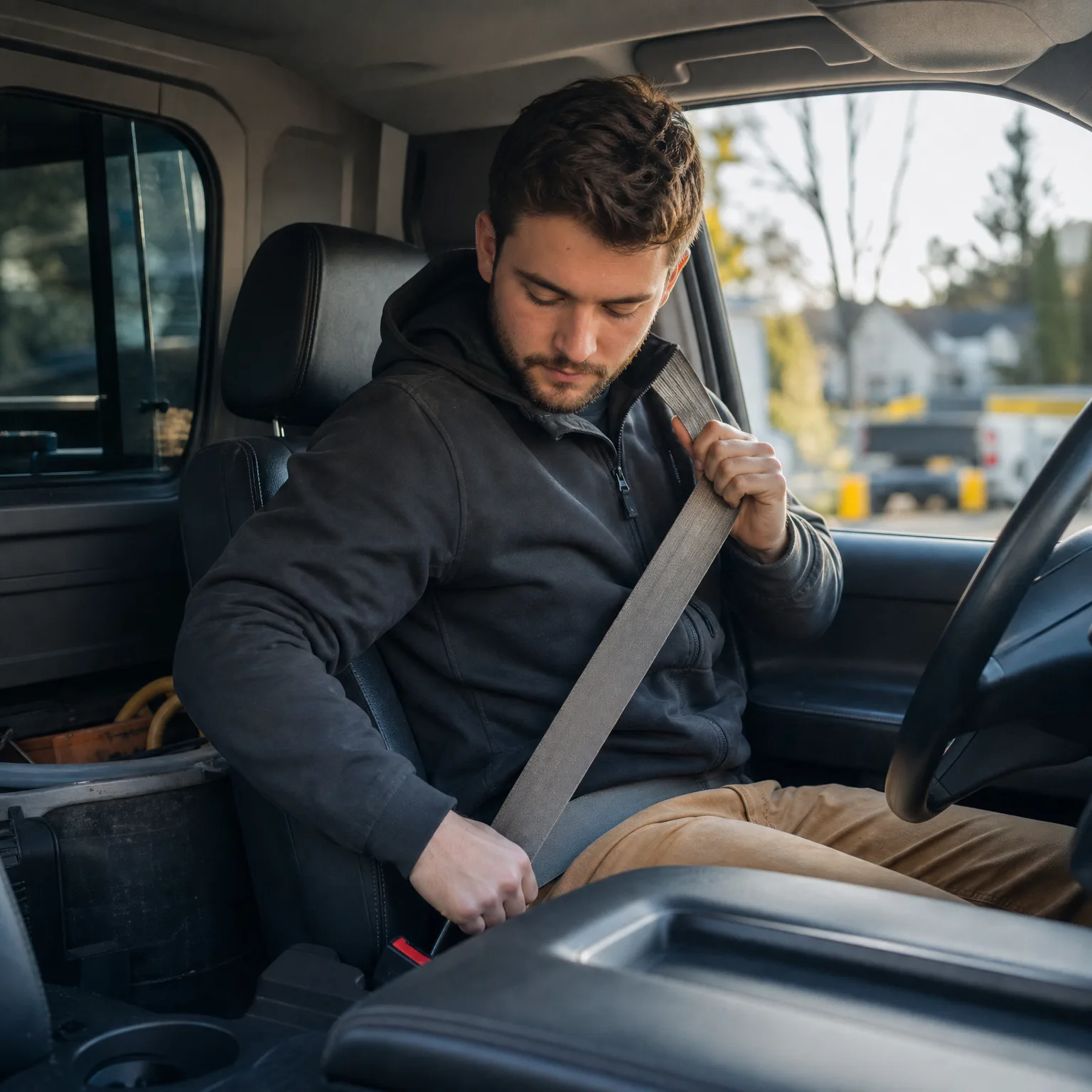
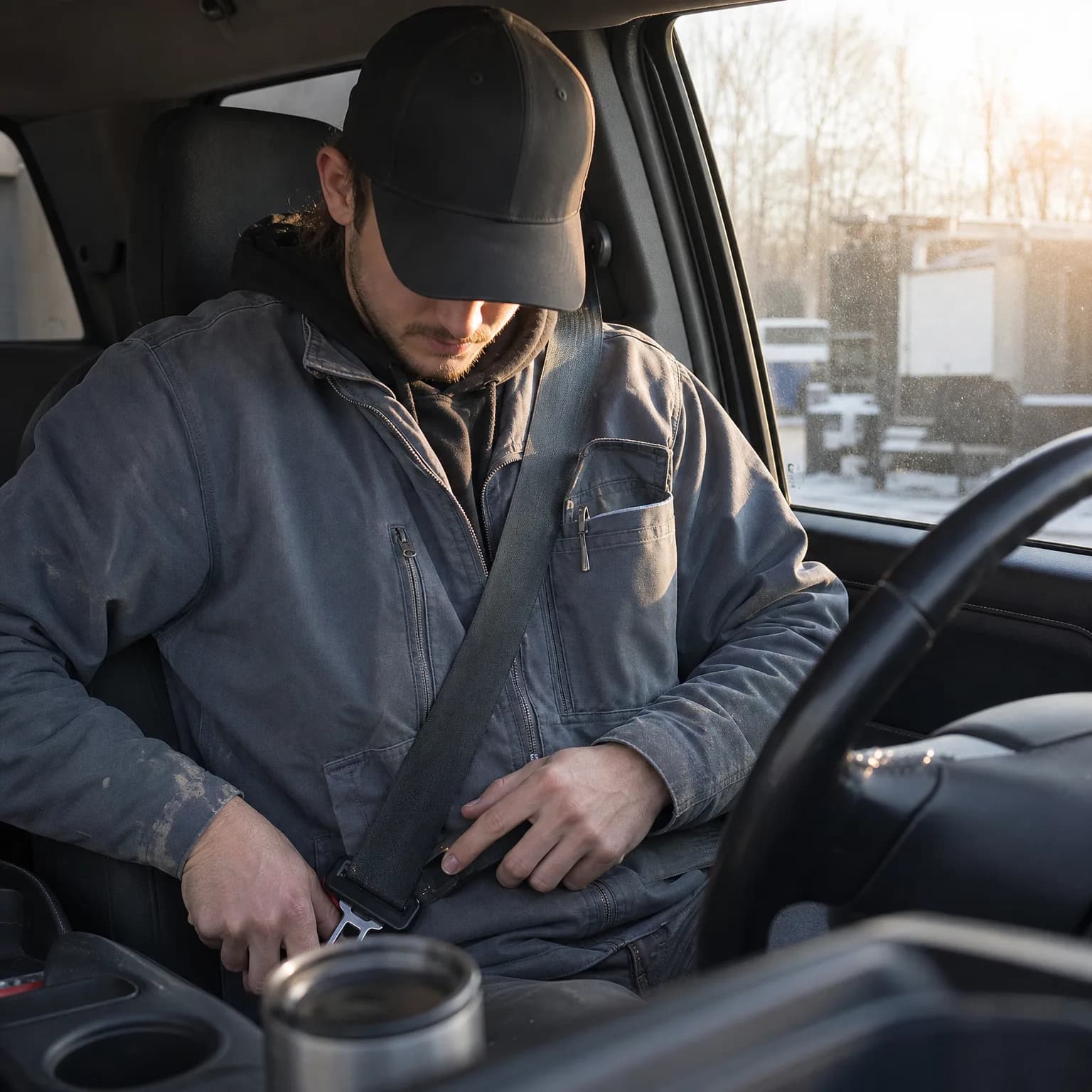
Filing Period and Continuous Coverage Rule
Washington typically requires SR-22 filing for three years after reinstatement for DUI-related suspensions. The clock starts when you reinstate your license, not when you purchase the policy. If you let the non-owner policy lapse at any point during the three-year period, the carrier notifies the DOL, and the DOL suspends your license again immediately. There is no grace period.
The continuous-coverage rule trips up drivers who assume SR-22 is only required at the moment of reinstatement. You must maintain the filing for the entire mandated period. If you purchase a vehicle and switch to a standard auto policy during the filing period, the new policy must also include SR-22. If you move out of state, the SR-22 requirement follows you — your new state may require an equivalent filing, and you must coordinate the transition to avoid a lapse that triggers suspension in Washington.
When the filing period ends, your carrier does not automatically notify the DOL. You are responsible for confirming that the required period has elapsed and that no further action is needed. Most carriers send a notice when the SR-22 term completes, but the DOL does not issue a formal release. Check your driving record to confirm the SR-22 notation has been removed.
$75
WA License Reinstatement Fee
The DOL charges a $75 administrative reinstatement fee in addition to any suspension-specific fees. This is the base fee; DUI-related reinstatements require additional payments for alcohol education programs and ignition interlock compliance verification. The fee must be paid before your license is reinstated.
Washington Department of Licensing fee schedule
Cost Comparison and Carrier Selection
Non-owner SR-22 policies cost less than standard auto insurance because they carry lower claim risk. The carrier is not insuring a specific vehicle or covering collision and comprehensive claims. Premiums for non-owner SR-22 in Washington vary by your driving record, age, and the violation that triggered the suspension.
Carriers that specialize in high-risk and non-standard auto insurance — Bristol West, Dairyland, The General, Progressive, and GEICO — write non-owner SR-22 policies in Washington. Not all standard-tier carriers offer this product. When comparing quotes, confirm that the carrier can file SR-22 electronically with the Washington DOL and ask whether the filing fee is included in the quoted premium or billed separately. Some carriers bundle the one-time filing fee into the first month's payment; others itemize it.
Next Step: Compare Non-Owner SR-22 Quotes
You now understand that non-owner SR-22 insurance fulfills Washington's filing requirement without requiring vehicle ownership, that the SR-22 must remain active for the entire mandated period, and that letting the policy lapse triggers immediate re-suspension. The carriers listed above write non-owner SR-22 policies for Washington suspended-license drivers. Request quotes from at least three carriers, confirm that each can file SR-22 electronically with the DOL, and verify the total first-month cost including the filing fee. Once you select a carrier and the SR-22 filing appears in the DOL system, you can proceed with your reinstatement application or Ignition Interlock License request.
How to Obtain Non-Owner SR-22 in Washington
Contact carriers licensed to write non-owner policies in Washington. Not all carriers offer non-owner SR-22 — the state data above lists carriers confirmed to write this coverage. Request a non-owner auto liability policy that meets Washington's 25/50/10 minimum limits, and specify that you need SR-22 filing. The carrier quotes the policy premium separately from the SR-22 filing fee, which ranges from $15 to $50 as a one-time charge. The total first-month payment includes the premium, the filing fee, and any carrier processing fees.
Once you pay and the policy is active, the carrier files the SR-22 electronically with the Washington DOL. The filing appears in the DOL's system within 1–3 business days. You can verify the filing by checking your driving record online or calling the DOL. The SR-22 certificate itself is not a document you carry — it is an electronic notification from the carrier to the state confirming that your coverage is in force. Bring proof of the policy (your insurance ID card) when you apply for reinstatement or the Ignition Interlock License.
Get Your Free Quote
Get My Washington Suspended License Insurance QuoteFrequently Asked Questions
Can I get SR-22 insurance in Washington without owning a car?
Yes. Non-owner SR-22 policies provide the liability coverage and SR-22 filing Washington requires without requiring you to own or register a vehicle. The policy covers you when driving a borrowed or rented car. Carriers like Bristol West, Dairyland, Progressive, GEICO, and The General write non-owner SR-22 in Washington.
How much does non-owner SR-22 insurance cost in Washington?
Non-owner SR-22 policies in Washington typically cost less than standard auto insurance because they carry lower claim risk. Premiums vary by your driving record, age, and the violation that triggered the suspension. Carriers charge a one-time SR-22 filing fee ranging from $15 to $50 in addition to the monthly premium.
How long do I need to keep non-owner SR-22 insurance in Washington?
Washington typically requires SR-22 filing for three years after reinstatement for DUI-related suspensions. The filing period starts when you reinstate your license, not when you purchase the policy. If you let the policy lapse before the period ends, the DOL suspends your license again immediately.
Does non-owner SR-22 insurance cover rental cars in Washington?
Yes. Non-owner SR-22 policies provide liability coverage when you drive a rental car or any vehicle you do not own. The policy does not cover damage to the rental vehicle itself — that falls under the rental agreement's damage waiver or the rental company's coverage. Your non-owner policy covers your liability to others.
What happens if my non-owner SR-22 policy lapses in Washington?
If your non-owner SR-22 policy lapses, the carrier notifies the Washington DOL electronically, and the DOL suspends your license again immediately. There is no grace period. You must maintain continuous coverage for the entire SR-22 filing period, typically three years after reinstatement.
Can I switch from non-owner SR-22 to a standard policy in Washington?
Yes. If you purchase a vehicle during the SR-22 filing period, you can switch to a standard auto policy. The new policy must also include SR-22 filing. Coordinate the transition with both carriers to avoid a coverage gap — the old policy must remain active until the new SR-22 filing appears in the DOL system.
Do I need non-owner SR-22 to get an Ignition Interlock License in Washington?
Yes. The Washington DOL requires proof of SR-22 insurance filing when you apply for an Ignition Interlock License (IIL). A non-owner SR-22 policy satisfies this requirement if you do not own a vehicle. The $100 IIL application fee is paid separately from the insurance premium and SR-22 filing fee.