Hardship License Insurance — Washington
Free to compare
The IIL Approval Trap
You received approval notice from Washington DOL for an Ignition Interlock License but your vehicle still does not have the device installed. The approval letter told you to install an IID through a DOL-approved provider, file SR-22 insurance, and pay the $100 application fee. You did all three. But the installation appointment is not until next week and you need to drive to work tomorrow. The approval is not the license — the IIL does not activate until the device is installed and the provider sends installation confirmation back to DOL.
This is Washington's procedural design. The state replaced occupational route restrictions with a simpler rule: drive anywhere, anytime, but only in an IID-equipped vehicle. That means no driving — not even to the grocery store — until the physical device is installed and DOL receives the provider's certificate. Most applicants assume approval equals permission. It does not.
“Approval is not the license — the IIL does not activate until the device is installed and the provider sends installation confirmation back to DOL.”

Find a Washington Insurer That Will Cover You Now
Get My Washington Suspended License Insurance Quote$100
WA IIL Application Fee
Washington charges $100 for Ignition Interlock License application processing under RCW 46.20.385. This fee is separate from SR-22 filing costs, device installation, and monthly IID monitoring charges.
RCW 46.20.385
What the Ignition Interlock License Actually Allows
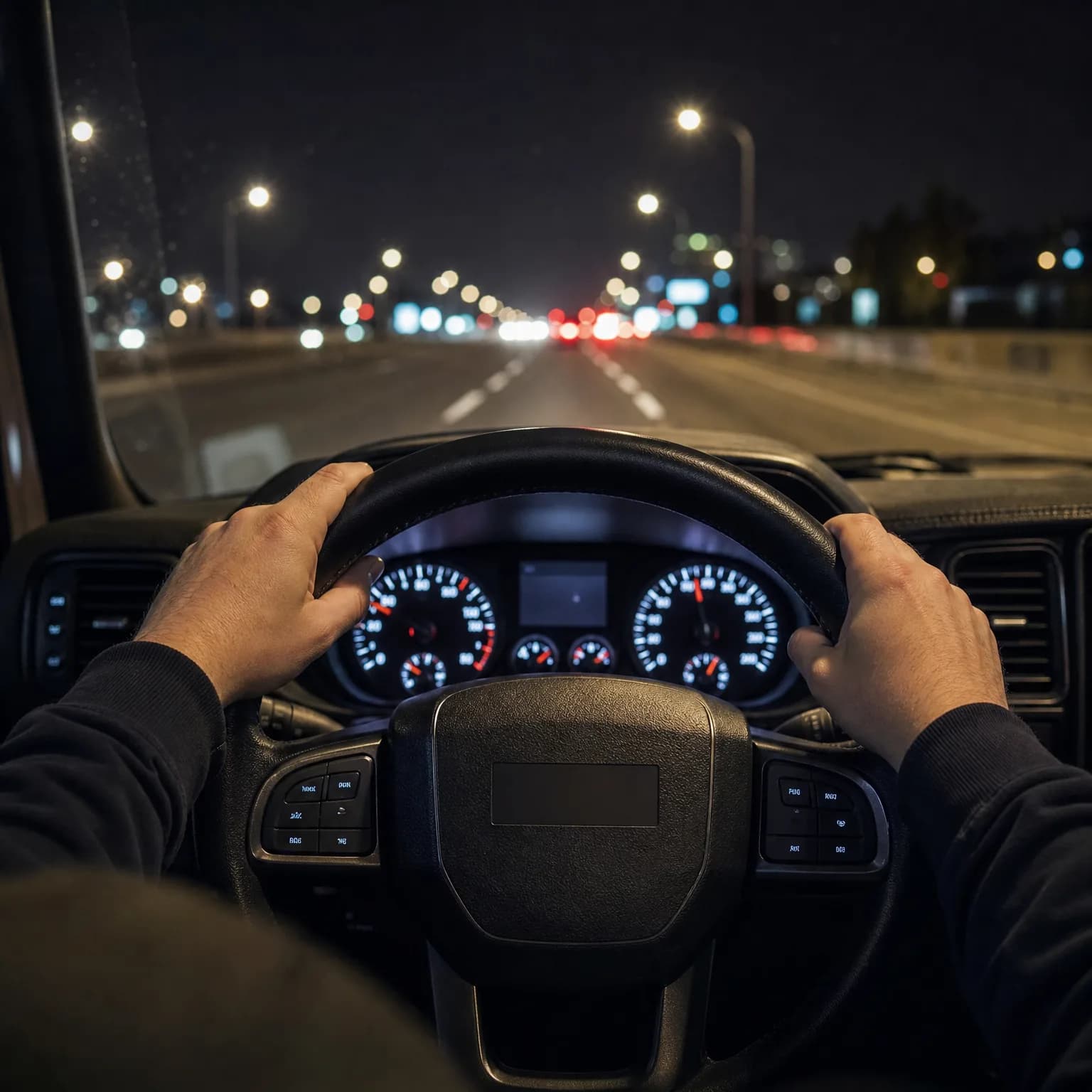
Washington's IIL carries no route restrictions and no time-of-day restrictions. You can drive to work, childcare, medical appointments, and anywhere else. The catch is the vehicle. Every trip must occur in a car equipped with a DOL-approved ignition interlock device. If you drive a non-IID vehicle — even once, even in an emergency — the violation triggers automatic IIL revocation and extends your full suspension period.
The IIL replaced Washington's old occupational license system, which limited driving to work and essential routes. That meant most DUI suspensions left drivers unable to handle school pickups, grocery runs, or weekend errands. The IIL removed those barriers but shifted the burden to device compliance. The state prioritized unrestricted mobility over route policing.
SR-22 insurance is required for the entire IIL period. The filing must remain active from the day you apply until DOL issues full license reinstatement. If your carrier cancels the SR-22 or you let the policy lapse, DOL receives automatic notification and revokes the IIL immediately. There is no grace period for reinstatement.
Installation delay is the most common IIL failure point. Approval does not equal activation — you cannot legally drive until the device is installed and the provider files confirmation with DOL.


Step Three and the Activation Window
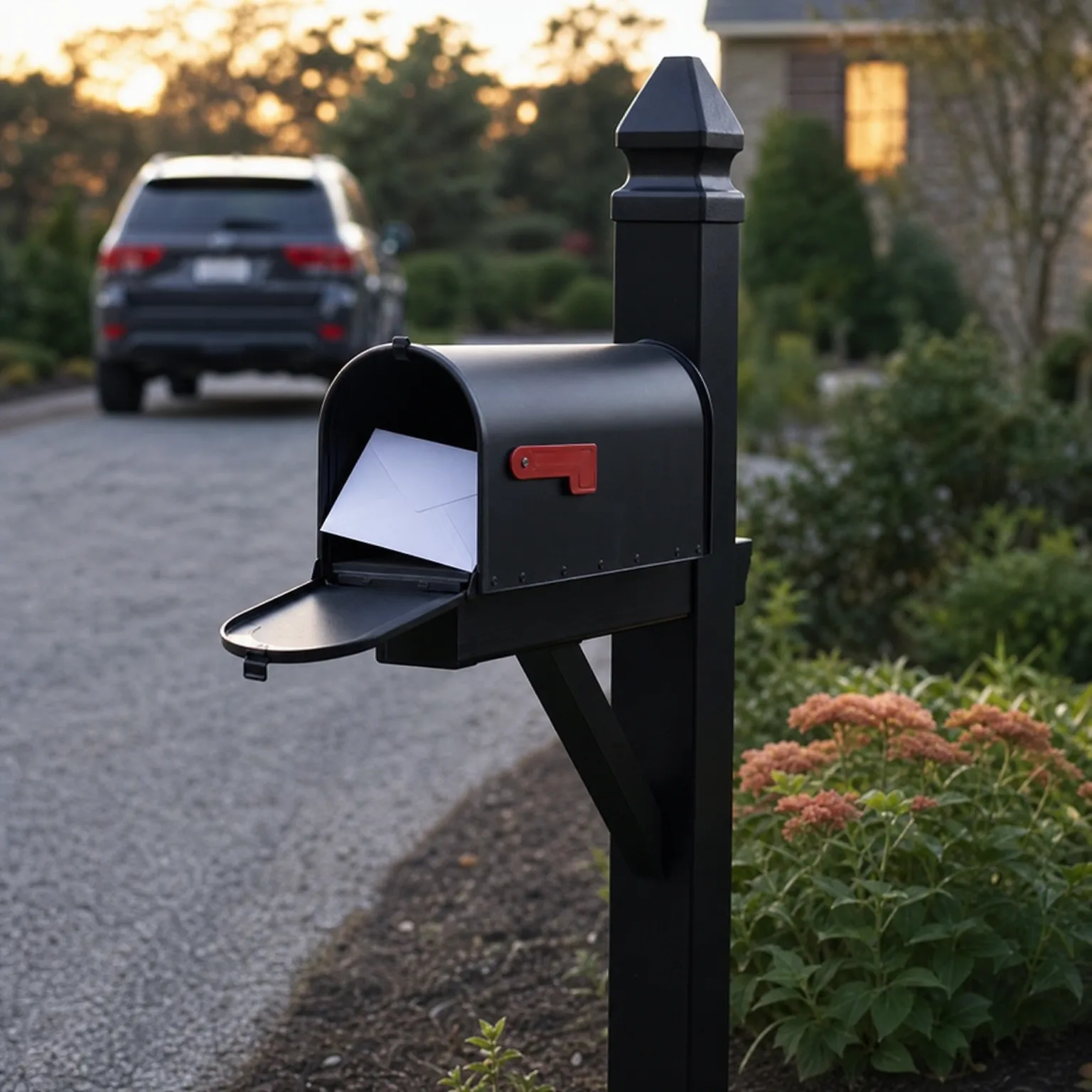
Step three: submit the completed IIL application to DOL with proof of SR-22 filing, the provider's installation certificate, and the $100 application fee. DOL processes the application and issues the IIL if all documentation is in order. Processing typically takes one to three business days after receipt of a complete application. The IIL is mailed to the address on file.
The critical procedural reality: you cannot drive legally until you receive the physical IIL card, even if DOL has approved your application and the device is installed. Driving on a suspended license with an IID installed but no active IIL is still a suspended-license violation under RCW 46.20.342. That violation adds criminal penalties and extends your suspension period. Wait for the card.
If your IIL application is denied — most commonly because the installation certificate was missing, the SR-22 lapsed before application, or you have an outstanding suspension that disqualifies IIL eligibility — you must resolve the blocking issue and reapply. The $100 fee is charged per application, not per approval.
3 years
WA SR-22 Filing Duration
Washington requires SR-22 insurance filing for three years after DUI conviction under RCW 46.29.090. The three-year period begins on the conviction date, not the filing date or the IIL issue date. Letting the SR-22 lapse before the three-year mark triggers automatic license suspension.
RCW 46.29.090

Non-Owner SR-22 and IIL Compatibility
Non-owner SR-22 policies satisfy Washington's financial responsibility requirement for IIL eligibility. If you do not own a vehicle, a non-owner policy provides liability coverage when you drive a borrowed or rented car and files the required SR-22 with DOL. The policy does not cover a specific vehicle — it follows you as a driver.
The compatibility issue: non-owner policies work for IIL application but do not help with the IID requirement. You still must have access to an IID-equipped vehicle to drive under the IIL. That means either installing an IID on a vehicle you borrow regularly, or limiting your driving to vehicles already equipped with an approved device. Family members and employers sometimes allow IID installation on their vehicles to enable IIL driving, but the device stays with the vehicle — if you switch cars, the new vehicle needs its own IID installation.
What Happens If You Violate IIL Terms
Driving a non-IID vehicle while holding an IIL triggers automatic revocation. The device provider and DOL both monitor compliance. If you attempt to start a non-equipped vehicle and get caught — by law enforcement, by an accident report, or by insurance investigation — DOL revokes the IIL and reinstates the full suspension period. The revocation is administrative and immediate. There is no hardship appeal for IIL violations.
SR-22 lapse during the IIL period has the same effect. If your carrier cancels the policy or you let it expire, DOL receives electronic notification within 24 hours and revokes the IIL. Reinstatement requires refiling SR-22, paying a new reinstatement fee, and reapplying for the IIL with another $100 application fee. The three-year SR-22 clock does not reset, but the suspension period often extends.
Compare carriers that write SR-22 policies in Washington before committing. Monthly premium varies significantly by carrier, violation history, and county. Geico, Progressive, and Dairyland write SR-22 for DUI suspensions statewide. Bristol West and The General specialize in high-risk cases but charge higher premiums in exchange for looser underwriting. Non-owner policies from these carriers typically cost less than standard auto policies but still require the SR-22 filing fee.
The Three-Step IIL Activation Sequence
Step one: file SR-22 insurance with a carrier licensed to write high-risk policies in Washington. The carrier electronically transmits the SR-22 filing to DOL within 24 to 48 hours of policy purchase. You cannot proceed to IIL application until DOL receives this filing. Carriers that write SR-22 in Washington include Geico, Progressive, Dairyland, Bristol West, The General, and USAA. Non-owner SR-22 policies are available if you do not own a vehicle — these satisfy the filing requirement for IIL eligibility but do not cover a vehicle you drive regularly.
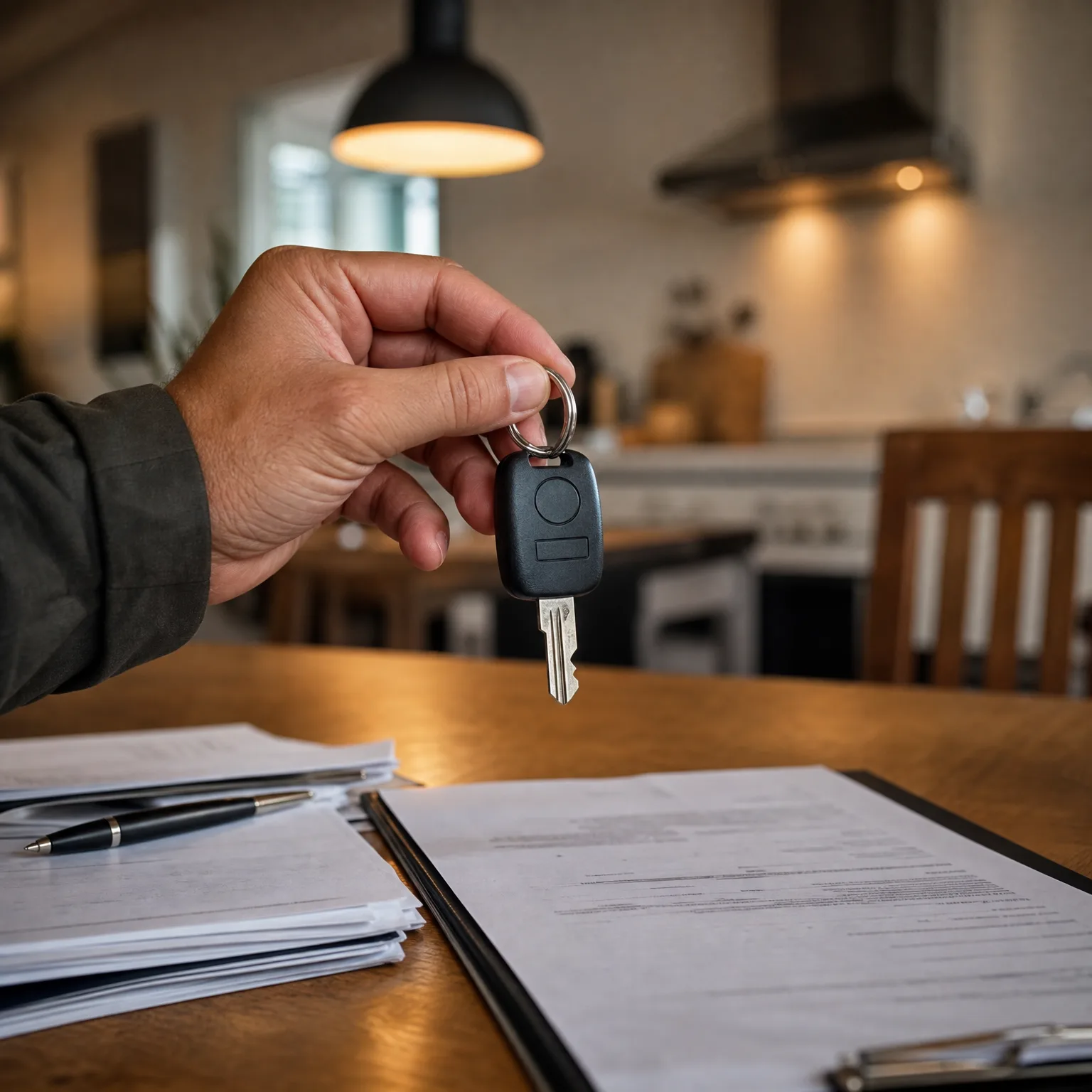
Step two: schedule installation with a DOL-approved ignition interlock device provider. Washington maintains a public list of approved vendors on the DOL website. Installation appointment availability varies by region — urban King County providers often schedule within three to five business days; rural providers in Eastern Washington may require seven to ten days. The provider installs the device, calibrates it to your vehicle, and issues a certificate of installation. That certificate must be submitted with your IIL application. Do not apply before you have the certificate in hand — incomplete applications are denied and the $100 fee is not refunded.
Get Your Free Quote
Get My Washington Suspended License Insurance QuoteFrequently Asked Questions
Can I drive immediately after my Washington IIL is approved?
No. Washington IIL approval does not authorize driving until the physical license card is issued and you have an installed ignition interlock device in the vehicle. Driving on a suspended license with an IID installed but no active IIL card is a criminal violation under RCW 46.20.342.
Does Washington allow hardship licenses for non-DUI suspensions?
No. Washington's Ignition Interlock License is available only for DUI-related suspensions under RCW 46.20.385. Points-based suspensions, unpaid fine suspensions, and uninsured driving suspensions have no hardship or restricted license option — drivers must serve the full suspension period.
How long does SR-22 insurance need to stay active for a Washington IIL?
Three years from the DUI conviction date under RCW 46.29.090. The SR-22 must remain active for the entire IIL period and continue after full license reinstatement until the three-year mark. Letting the SR-22 lapse triggers automatic IIL revocation and license suspension.
Can I use a non-owner SR-22 policy to get a Washington IIL?
Yes. Non-owner SR-22 policies satisfy Washington's financial responsibility requirement for IIL application. However, you still need access to an IID-equipped vehicle to drive under the IIL — the non-owner policy does not provide a vehicle, only liability coverage and the required SR-22 filing.
What happens if I drive a non-IID vehicle while holding a Washington IIL?
DOL revokes the IIL immediately and reinstates the full suspension period. There is no appeal process for IID violations. Reinstatement requires refiling SR-22, paying a new reinstatement fee, and reapplying for the IIL with another $100 application fee.
How long does IID installation take in Washington?
Installation appointment availability varies by region. Urban King County providers typically schedule within three to five business days. Rural Eastern Washington providers may require seven to ten days. The installation itself takes one to two hours.