
Affordable Non-Owner SR-22 Insurance — Washington
Free to compare
The Non-Owner SR-22 Gap Washington Drivers Face
You sold your car after the suspension. Or you never owned one in the first place. Now you're navigating Washington DOL reinstatement requirements and every carrier website assumes you have a vehicle to insure. The SR-22 filing requirement doesn't disappear because you don't own a car—RCW 46.29.490 still requires proof of financial responsibility for most suspension causes, whether you're currently driving or not.
The structural problem: standard auto insurance is vehicle-centric. Carriers price policies around the car you drive, not the license you hold. Non-owner SR-22 insurance solves this by covering you as a driver when operating someone else's vehicle, satisfying Washington's SR-22 mandate without requiring vehicle ownership. It's a distinct product class most suspended drivers don't know exists until they stumble into the right search query.
“Washington DOL does not distinguish between owner and non-owner SR-22 filings—both satisfy the financial responsibility requirement identically.”

Find a Washington Insurer That Will Cover You Now
Get My Washington Suspended License Insurance Quote$35–$65/mo
WA Non-Owner SR-22 Premium
Washington non-owner SR-22 policies typically cost 40–60% less than owner policies because no vehicle collision or comprehensive coverage is required. Rates reflect liability-only coverage at state minimums (25/50/10) plus the SR-22 filing fee.
Carrier rate structures from Bristol West, Dairyland, Progressive non-owner programs
What Non-Owner SR-22 Actually Covers in Washington
Non-owner SR-22 provides liability coverage when you drive a car you don't own—borrowed vehicles, rental cars, employer-owned vehicles used occasionally. Washington requires minimum liability limits of $25,000 per person for bodily injury, $50,000 per accident, and $10,000 for property damage. The policy meets this statutory floor and includes the SR-22 certificate filed directly with the DOL.
What it does not cover: damage to the vehicle you're driving (that's covered by the vehicle owner's collision/comprehensive policy or the rental company's damage waiver), your own medical bills beyond the liability limits, or vehicles you use regularly (if you drive the same borrowed car daily, carriers classify that as regular use and require a standard policy).
The SR-22 certificate itself is a DOL-mandated form your insurer files electronically confirming continuous coverage. Washington requires this filing for DUI suspensions, uninsured accident involvement under RCW 46.29, and certain repeat violations. The non-owner policy maintains the filing for the required period—typically 3 years from the suspension trigger date.
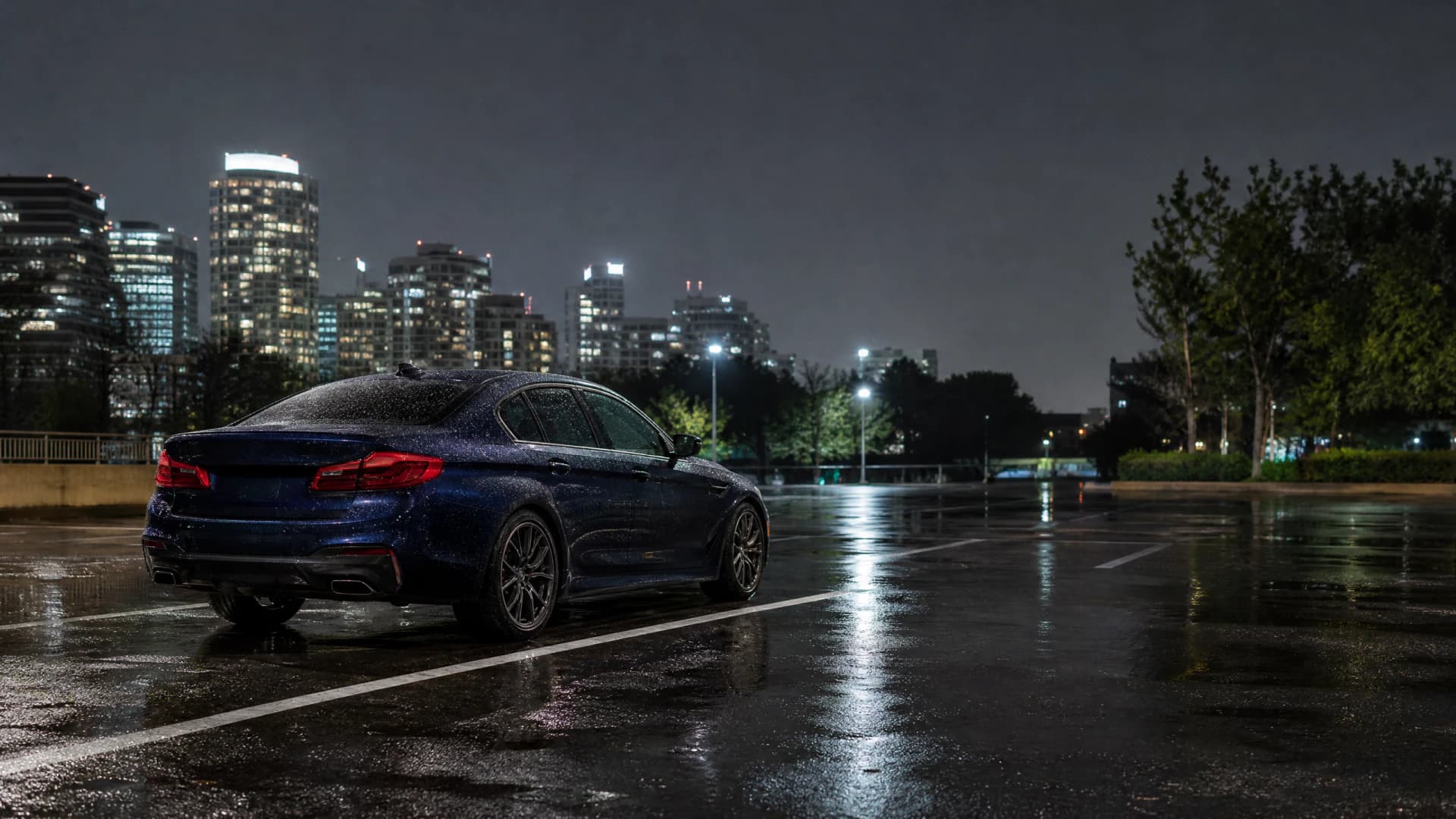
Washington DOL does not distinguish between owner and non-owner SR-22 filings for reinstatement purposes. Both satisfy the financial responsibility requirement identically.



Filing Process and DOL Confirmation Timeline
Carriers file SR-22 certificates electronically through Washington DOL's SR-22 system. The filing includes your name, driver license number, policy effective date, coverage limits, and policy term. DOL receives the transmission within hours but processing into your reinstatement file takes 3–5 business days.
Check filing status through DOL's online driver record portal at dol.wa.gov. Log in with your license number and date of birth; active SR-22 filings appear under the "Insurance" section once processed. If the filing does not appear within 5 business days, contact your carrier—not DOL—to verify transmission. Carriers can resend or confirm receipt through their filing system.
Washington requires continuous coverage for the mandated SR-22 period. If your policy lapses or cancels, the carrier notifies DOL electronically within 10 days. DOL immediately re-suspends your license. There is no grace period. Reinstatement after an SR-22 lapse requires paying the $75 reinstatement fee again, obtaining new insurance, and filing a new SR-22 certificate—the 3-year clock does not reset, but the administrative burden repeats.
3–5 business days
WA DOL SR-22 Processing Window
Electronic SR-22 filings transmit to DOL within hours, but integration into your driver record for reinstatement eligibility takes 3–5 business days. Plan reinstatement timing around this processing lag—filing the day before your eligibility date will not work.
Washington Department of Licensing SR-22 processing timelines
When Non-Owner SR-22 Does Not Work
Non-owner policies exclude vehicles you own, vehicles registered in your name, and vehicles available for your regular use. If you live with a family member who owns a car and you drive it more than occasionally, carriers classify that as regular use. You need to be listed on the owner's policy instead—non-owner coverage will not apply.
Washington Ignition Interlock License (IIL) holders face a specific restriction: you can only drive vehicles equipped with a DOL-approved IID. Non-owner policies do not cover IID-equipped rentals or borrowed cars unless the vehicle owner installed the device specifically for your use. Practically, IIL holders need access to a dedicated IID-equipped vehicle, which requires either ownership or a named-driver position on someone else's IID-equipped car. Non-owner SR-22 satisfies the filing requirement but does not solve the vehicle-access problem.
Compare Rates Before You Commit
Premium variance between carriers writing non-owner SR-22 in Washington runs 30–40% for identical coverage. A clean-record suspended driver quoted $65/mo at one carrier may find $42/mo at another. DUI-triggered suspensions show even wider spreads—$85/mo vs $58/mo for the same 25/50/10 liability limits.
Request quotes from at least two of the three carriers above. Provide identical information: suspension cause, license number, coverage effective date preference, and payment method. Verbal quotes over the phone are binding for 30 days at most carriers; online quotes through Dairyland or Progressive bind immediately upon payment. Compare not just monthly premium but also down payment structure—some carriers require two months up front, others allow single-month down payment with monthly autopay.
Washington does not cap SR-22 filing fees separately from premium. The $25–$50 filing fee carriers charge is a one-time administrative cost added to your first payment, not an annual recurring charge. Verify this during quote—some agents describe it as an annual fee, which is incorrect. Once the SR-22 is filed, maintaining it costs nothing beyond your regular premium for the 3-year period.
Three Carriers Writing Non-Owner SR-22 in Washington
Bristol West specializes in non-standard risk and writes non-owner SR-22 across Washington. Application requires proof of suspension cause (court documents or DOL notice), valid government ID, and payment method. Premium quoted same-day; SR-22 filed electronically within 24 hours of policy binding. Rates for clean-record suspended drivers average $45–$70/mo; DUI-triggered suspensions run $60–$85/mo. Bristol West requires broker contact—no direct online purchase.
Dairyland operates in 38 states including Washington with non-owner SR-22 as a core product line. Online quote system generates binding quotes in under 10 minutes. SR-22 filing occurs within one business day of payment. Premium range $35–$65/mo for liability-only non-owner coverage at state minimums. Policy can be purchased entirely online without agent interaction. Progressive writes non-owner policies direct and through independent agents. Washington non-owner SR-22 premiums typically $50–$75/mo. SR-22 certificate filed same-day when policy purchased before 3 PM Pacific. Progressive's online system flags SR-22 requirement during application; no separate filing step needed.
Get Your Free Quote
Get My Washington Suspended License Insurance QuoteFrequently Asked Questions
Can I get non-owner SR-22 insurance in Washington if I've never owned a car?
Yes. Non-owner SR-22 policies do not require prior vehicle ownership or a history of insuring a car. Washington DOL accepts non-owner SR-22 filings for reinstatement regardless of whether you previously owned a vehicle. The policy covers you as a driver when operating borrowed or rental vehicles.
How long does non-owner SR-22 insurance cost in Washington after reinstatement?
Washington typically requires SR-22 filing for 3 years from the date of the suspension trigger (DUI conviction date, uninsured accident date, or violation date). You must maintain continuous non-owner coverage for this entire period. Canceling early triggers immediate license re-suspension.
Does non-owner SR-22 insurance cover rental cars in Washington?
Yes. Non-owner policies provide liability coverage when you drive rental vehicles. This coverage is secondary to any liability protection included in the rental agreement, but it satisfies Washington's SR-22 filing requirement while you rent. Collision damage to the rental car itself is not covered—purchase the rental company's damage waiver separately if desired.
Can I buy non-owner SR-22 insurance online in Washington?
Dairyland and Progressive allow online purchase of non-owner SR-22 policies in Washington with same-day or next-day electronic filing to DOL. Bristol West requires broker contact and does not offer direct online purchase. All three provide binding quotes and SR-22 filing within 1–2 business days of payment.
What happens if my non-owner SR-22 policy lapses in Washington?
Washington DOL receives electronic notification within 10 days of your policy lapse or cancellation. Your license is immediately re-suspended. Reinstatement requires paying the $75 reinstatement fee again, purchasing new insurance, and filing a new SR-22 certificate. The original 3-year SR-22 period does not reset, but you repeat the administrative reinstatement process.
Do I need non-owner SR-22 insurance if I have an Ignition Interlock License in Washington?
Yes, if your suspension cause requires SR-22 filing (most DUI suspensions do under RCW 46.20.385). The IIL allows you to drive IID-equipped vehicles, but you still need insurance with an SR-22 certificate on file. Non-owner policies satisfy the filing requirement but do not solve vehicle access—you need a dedicated IID-equipped car, which typically requires being listed on the owner's policy rather than holding non-owner coverage.